Many couples assume they’ll receive all raw, unedited photo files from their wedding photographer, but over 80% of professional photographers retain copyright and supply only edited JPEGs. This common misunderstanding creates unnecessary tension between couples and providers. Understanding wedding photography terminology transforms confusion into confidence, helping you clearly communicate expectations and select services perfectly aligned with your Yorkshire wedding vision.
Table of Contents
- Key Wedding Photography Roles Explained
- Different Photography Styles And Their Terminology
- Understanding Package Components And Common Contract Terms
- Common Misconceptions About Wedding Photography Services
- How To Interpret Equipment And Videography Terminology
- Bridging Terminology To Practical Decision-Making
- Discover Tailored Wedding Photography Services In Yorkshire
- Wedding Photography Terminology Explained: FAQ
Key takeaways
| Point | Details |
|---|---|
| Photography roles | Lead photographers, second shooters, and assistants each bring specific expertise to capture comprehensive coverage of your day. |
| Style definitions | Candid, photojournalistic, and traditional styles shape how your wedding story unfolds through images. |
| Package components | Coverage hours, edited image counts, and deliverable formats define exactly what you receive after your wedding. |
| Common misconceptions | Most professionals deliver curated edited images, not raw files, and retain copyright ownership of all photographs. |
| Practical application | Clear terminology knowledge empowers confident package selection and effective communication with photography providers. |
Introduction to wedding photography terminology
Wedding photography terminology encompasses the specialised vocabulary professionals use to describe services, roles, equipment, and deliverables. Accurate understanding prevents costly misunderstandings and ensures the photography package you book matches what you actually receive on your wedding day. Without this foundation, couples often feel confused during consultations or disappointed when final images arrive.
Three primary confusion areas emerge repeatedly: what “second shooter” means for your coverage, how “coverage hours” translate to actual photographer presence, and why “raw files” aren’t typically included in standard packages. These misunderstandings stem from assumptions about how professional photography operates versus consumer expectations shaped by smartphone photography.
Wedding photography terms fall into three main categories that structure your entire experience. First, roles define who captures your celebration and their specific responsibilities. Second, styles determine the visual approach and storytelling method used throughout your day. Third, package components outline exactly what you receive, from shooting duration to final image delivery formats.
Exploring wedding photo packages reveals how these terms combine to create comprehensive service offerings. Understanding this vocabulary transforms vague concepts into concrete expectations you can confidently discuss with potential providers.
Pro tip: Create a terminology reference list during your photographer search, noting any unfamiliar words to clarify during consultations before signing contracts.
Key wedding photography roles explained
The lead photographer serves as the primary professional responsible for directing your wedding day photography, capturing essential moments, managing the timeline, and delivering your final image collection. This person brings years of experience, artistic vision, and technical expertise to ensure comprehensive coverage of your celebration. They typically handle formal portraits, ceremony documentation, and key reception events whilst maintaining overall creative direction.
A second shooter provides additional perspectives and candid moments throughout your wedding, working alongside the lead photographer to capture simultaneous events and alternative angles. Whilst the lead photographer documents the bride’s preparation, for example, a second shooter captures the groom’s morning activities. This dual coverage proves invaluable during ceremonies when one photographer focuses on the couple whilst another captures guest reactions.
Assistants support photographers by managing equipment, holding reflectors, adjusting lighting, and ensuring smooth workflow throughout the day. They handle technical logistics so photographers can concentrate entirely on creative capture. Unlike second shooters who actively photograph your wedding, assistants rarely take photos but enable better primary photography through practical support.
Second shooters benefit weddings with:
- Guest counts exceeding 100 people requiring broader coverage
- Multiple simultaneous events like parallel preparation locations
- Large venues where one photographer cannot capture all angles
- Complex timeline schedules with overlapping important moments
- Desire for extensive candid documentation alongside formal shots
The importance of professional photography becomes evident when considering how these roles work together to preserve your memories comprehensively.
Different photography styles and their terminology
Candid photography captures spontaneous, unposed moments as they naturally unfold throughout your wedding day, creating authentic emotional documentation. Photographers work unobtrusively, allowing guests and couples to interact naturally whilst discreetly documenting genuine expressions, interactions, and reactions. This approach prioritises storytelling through real moments rather than constructed scenes.
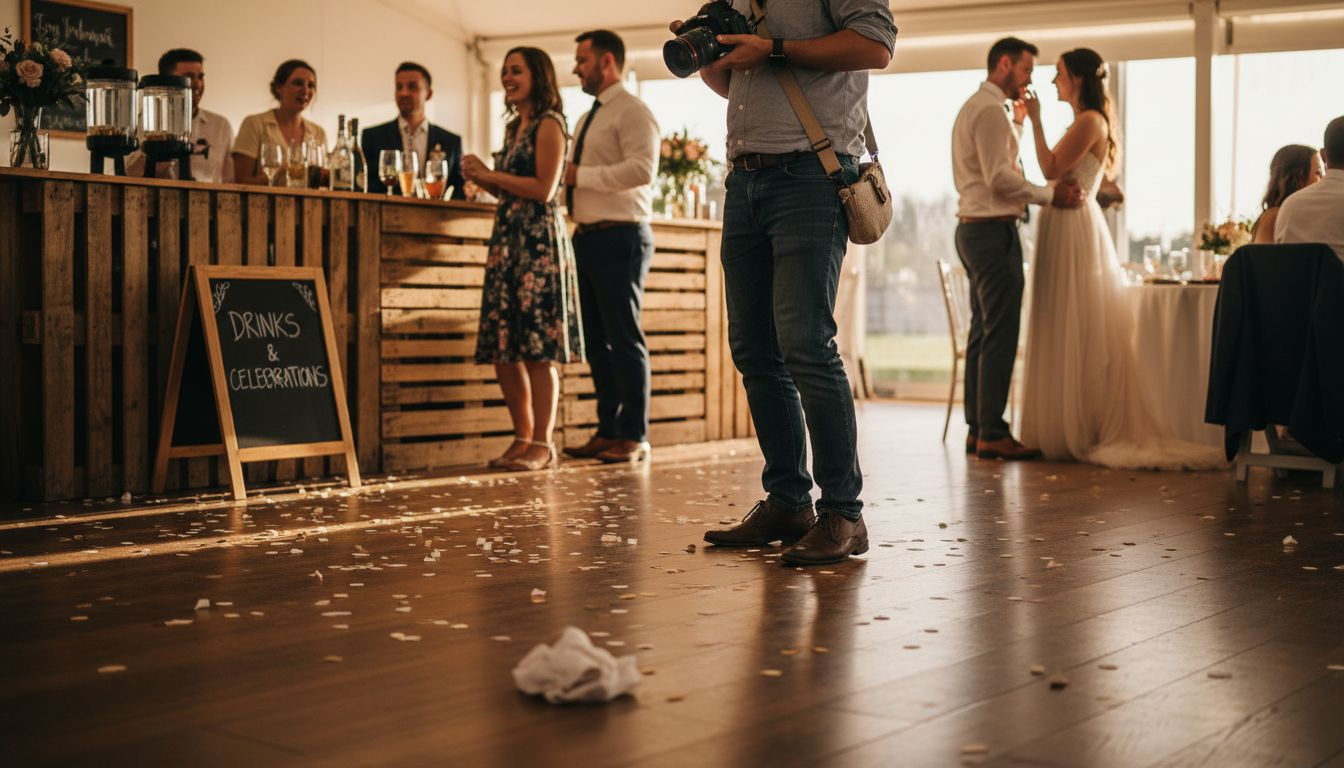
Photojournalistic style emphasises documentary storytelling, recording your wedding chronologically with minimal intervention or posing. Photographers become invisible observers, capturing the narrative arc of your celebration through decisive moments that convey emotion and atmosphere. This style values authenticity and emotional truth over perfect technical execution.
Traditional photography centres on formal, posed portraits with careful attention to lighting, composition, and technical perfection. Couples, families, and wedding parties arrange themselves for structured group photos, often at specific locations and times. This approach ensures everyone appears their best in polished, magazine-worthy images.
| Style | Characteristics | Typical Use | Effect |
|---|---|---|---|
| Candid | Unposed, spontaneous, natural | Throughout celebration | Authentic emotional moments |
| Photojournalistic | Documentary, minimal intervention | Full day narrative | Storytelling through real events |
| Traditional | Formal, posed, structured | Portraits and groups | Polished technical perfection |
When selecting your preferred style, consider:
- Your comfort level with posed photography versus natural interaction
- Whether you prioritise perfect portraits or genuine emotional capture
- How you envision reliving your wedding memories years later
- Your venue’s aesthetic and how different styles complement it
- Balance between traditional family expectations and personal preferences
The photojournalistic style benefits couples seeking authentic storytelling, whilst candid photography characteristics suit those wanting unobtrusive documentation of genuine celebration.
Understanding package components and common contract terms
Coverage hours define how long your photographer remains present at your wedding, typically ranging from partial coverage (4 to 6 hours) capturing ceremony and portraits, to full-day coverage (8 to 12 hours) documenting preparation through reception. Coverage usually includes scheduled breaks; continuous shooting throughout entire timeframes is uncommon and unrealistic for maintaining photographer energy and focus.
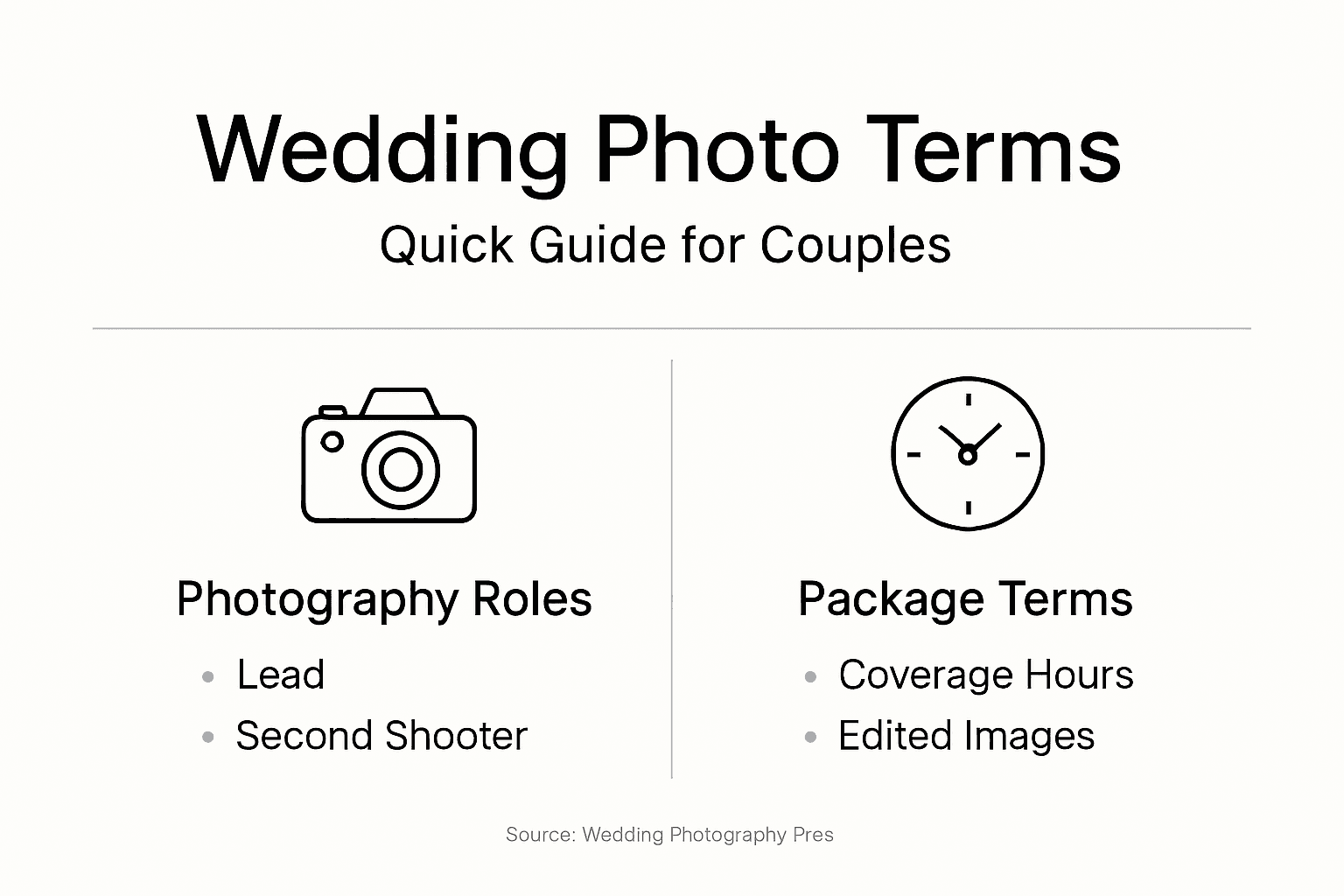
Typical packages specify the number of edited images provided, often calculated as 50 to 75 curated photos per coverage hour. Photographers select the best shots, apply colour correction and retouching, then deliver this refined collection. Raw, unedited files remain with the photographer as working materials, similar to how chefs don’t provide every ingredient attempt alongside finished dishes.
Album production involves designing, printing, and binding a physical photo book showcasing your wedding highlights, typically delivered 3 to 6 months after your celebration. Timeline expectations should be clearly documented in contracts to prevent disappointment. Digital delivery of edited images usually occurs within 4 to 8 weeks post-wedding.
Copyright ownership means photographers legally own all images captured at your wedding, retaining rights to display, publish, and licence photos. Clients receive usage rights to print, share, and display images for personal purposes but cannot commercially exploit or significantly alter photographs without permission. These protections ensure photographers maintain creative control and professional reputation.
| Component | Standard Offering | Typical Range | Notes |
|---|---|---|---|
| Coverage hours | 8 hours | 4 to 12 hours | Includes scheduled breaks |
| Edited images | 400 to 600 photos | 50 to 75 per hour | Curated best shots only |
| Digital delivery | 6 weeks | 4 to 8 weeks | High resolution files |
| Album production | Optional add-on | 3 to 6 months | Custom designed layouts |
| Raw files | Not included | Rarely provided | Photographer retains |
Package clarity prevents disputes by addressing:
- Exact shooting duration and whether breaks are included
- Minimum and maximum edited image quantities
- Digital file formats, resolution, and delivery methods
- Album customisation options, page counts, and materials
- Copyright terms, usage rights, and sharing permissions
Review photography contracts thoroughly and explore package components explained to understand exactly what your investment provides.
Pro tip: Request sample wedding galleries from potential photographers to verify typical editing styles, image quantities, and quality standards before booking.
Common misconceptions about wedding photography services
Many couples believe they’re entitled to receive all raw image files captured during their wedding, expecting complete access to every single photograph taken. Professional photographers retain copyright and deliver only edited, curated photos because raw files are unprocessed working materials requiring significant post-production expertise. Providing raw images would be like a chef serving uncooked ingredients instead of finished dishes, undermining the professional’s artistic vision and technical skill.
Another frequent misunderstanding assumes full-day coverage means photographers shoot continuously without breaks throughout the entire contracted period. Coverage duration typically includes reasonable breaks for meals and rest, ensuring photographers maintain energy, focus, and creative quality. Continuous shooting for 10 to 12 hours straight would compromise image quality and photographer wellbeing, ultimately harming your final results.
Couples often expect to receive every photo taken during their celebration, not realising photographers capture multiple versions of each moment to ensure perfect timing, expression, and technical execution. Professionals select the best images from this larger set, editing and delivering a refined collection that tells your story without repetitive or technically flawed shots. This curation process protects your experience, ensuring you receive only exceptional photographs.
Key realities to understand:
- Photographers legally own copyright to all wedding images captured
- Edited collections represent carefully curated best moments, not complete shoots
- Coverage hours include reasonable breaks maintaining photographer effectiveness
- Raw files remain with photographers as unfinished working materials
- Usage rights permit personal printing and sharing, not commercial exploitation
Understanding these professional standards before booking prevents disappointment and ensures realistic expectations. Photographers structure services to deliver exceptional finished products, not raw materials requiring your own extensive editing expertise.
How to interpret equipment and videography terminology
DSLR cameras serve as the primary equipment for professional wedding photography, combining large image sensors with interchangeable lenses for exceptional image quality and low-light performance. Typical DSLR cameras weigh approximately 700 to 1000 grams and pair with prime lenses for optimal sharpness and light-gathering capability. This professional equipment significantly outperforms smartphone cameras in challenging wedding lighting conditions.
Prime lenses feature fixed focal lengths without zoom capability, offering larger maximum apertures (f/1.4 to f/2.8) that capture more light and create beautiful background blur isolating subjects. These optical characteristics prove essential for reception photography where ambient lighting often challenges lesser equipment. Photographers typically carry multiple prime lenses covering different focal lengths for versatility.
Videography terminology overlaps with photography but includes distinct concepts like coverage time referring to how many hours videographers film, and editing duration describing the final video length after post-production. Wedding films typically condense 8 to 10 hours of footage into 20 to 40 minute highlight reels, requiring extensive editing to craft compelling narratives.
Common equipment terms couples encounter:
- Full-frame sensor: Larger image sensor producing superior image quality and low-light performance
- Fast lens: Lens with wide maximum aperture (f/2.8 or larger) capturing more light
- Off-camera flash: External lighting equipment for better exposure control than built-in flashes
- Backup equipment: Duplicate cameras and lenses ensuring coverage continues if primary gear fails
- Memory cards: Storage media for captured images, with professionals using multiple cards for redundancy
Photography discussions focus on image quality, lighting, and composition, whilst videography conversations emphasise motion, audio quality, and narrative flow. Understanding these distinctions helps you communicate effectively when booking combined wedding videography basics alongside photography services.
Familiarise yourself with photography equipment explained to appreciate the professional tools capturing your celebration.
Bridging terminology to practical decision-making
Applying terminology knowledge to package selection starts with matching coverage duration to your wedding timeline. Calculate when significant events occur, from preparation through reception departure, then add buffer time for unexpected delays. If your ceremony begins at 2pm and reception ends at 11pm, 10-hour coverage ensures comprehensive documentation without gaps.
Deciding whether to include a second shooter depends on your guest count, venue size, and simultaneous event complexity. Weddings exceeding 100 guests benefit from dual coverage capturing broader perspectives, whilst ceremonies and receptions in different buildings require photographers in both locations. Budget constraints may limit this option, but the enhanced coverage often justifies the additional investment.
Clarifying deliverables and timelines in contracts prevents post-wedding disappointment. Specify exact edited image quantities (minimum and maximum), delivery timeframes with milestone dates, file formats and resolutions, album customisation options, and usage rights for printing and online sharing. Written documentation protects both parties and establishes clear accountability.
Steps for evaluating photography offers:
- Review coverage hours against your wedding timeline, confirming adequate duration for all important events.
- Verify edited image quantities match or exceed your expectations based on coverage length.
- Confirm delivery timeline fits your needs for sharing photos with family and creating albums.
- Clarify whether second shooters, albums, and other enhancements are included or cost extra.
- Understand copyright and usage rights, ensuring you can print and share images freely.
- Compare total package costs including all desired services, not just base prices.
- Request sample galleries demonstrating the photographer’s style, quality, and typical deliverable quantities.
Exploring options for choosing photography packages reveals how terminology translates into practical service comparisons.
Pro tip: Schedule follow-up conversations with shortlisted photographers to clarify any ambiguous terms, ensuring complete alignment before finalising bookings.
Discover tailored wedding photography services in Yorkshire
Now that you confidently understand wedding photography terminology, explore how Plomien Wedding Photography supports Yorkshire couples with transparent, expertly crafted service packages. Our clear communication ensures you know exactly what to expect, from coverage hours and edited image quantities to delivery timelines and usage rights.
We specialise in helping couples navigate package options, recommending coverage duration, styles, and enhancements like second shooters based on your unique celebration. Whether you’re planning an intimate ceremony or grand reception, our team provides personalised consultations aligning services with your vision. Discover how professional support transforms terminology knowledge into confident decisions about investing in wedding photography and understanding full-day wedding coverage benefits. Contact us to discuss your Yorkshire wedding and receive expert guidance tailored to your needs.
Wedding photography terminology explained: FAQ
What does a second shooter do on my wedding day?
A second shooter captures alternative angles, candid moments, and simultaneous events whilst the lead photographer focuses on primary coverage. This dual perspective ensures comprehensive documentation when the couple and guests are in different locations or during complex ceremony moments requiring multiple viewpoints.
Why don’t photographers usually provide raw image files?
Photographers retain raw files as unprocessed working materials requiring professional editing expertise to achieve proper colour, exposure, and artistic vision. Delivering raw images would be like a chef providing uncooked ingredients, undermining the professional’s creative process and your final image quality.
How is full-day coverage defined in photography packages?
Full-day coverage typically spans 8 to 12 hours of photographer presence, documenting preparation through reception events. This duration includes scheduled breaks for meals and rest, ensuring photographers maintain energy and creative quality throughout your celebration.
What is the difference between candid and traditional photography styles?
Candid photography captures spontaneous, unposed moments as they naturally unfold, prioritising authentic emotional documentation. Traditional photography focuses on formal, posed portraits with structured compositions and technical perfection, ensuring polished group shots and family photographs.
How can I ensure my photography contract covers all important deliverables?
Specify exact edited image quantities, delivery timeframes, file formats, album details, and usage rights in written contracts. Request clarification of any ambiguous terms before signing, and review sample galleries to verify the photographer’s typical deliverable quality and quantity standards.
Recommended
- Why Invest in Wedding Photography: Lasting Impact – Plomien Wedding Photography
- Why Wedding Photojournalism Matters for Couples – Plomien Wedding Photography
- Wedding Photography Contracts: Legal Protection for Couples – Plomien Wedding Photography
- Manage Wedding Photography Logistics: Cut Delays by 30%