Choosing a wedding videographer in Yorkshire is about much more than ticking a box on your planning list. The style you select shapes how every precious moment is captured and relived for years to come. Couples seeking an experience beyond simple documentation often turn to cinematic wedding videography, where artistry and storytelling transform your wedding day into an emotionally rich film you will want to watch over and over again.
Table of Contents
- Defining Cinematic Wedding Videography Style
- Types Of Cinematic Wedding Films Explained
- Signature Techniques In Cinematic Wedding Videography
- Benefits And Impact For Couples
- Cinematic Versus Traditional Wedding Videos
Key Takeaways
| Point | Details |
|---|---|
| Cinematic Focus | Cinematic wedding videography prioritises storytelling, creating an emotional narrative that captures the essence of your day. |
| Subcategories Matter | Different styles such as romantic, narrative, and stylised emphasise varying aspects of your celebration; choose based on your preference for intimacy or artistry. |
| Editing Approach | The editing process in cinematic videography is extensive, allowing for creative pacing and emotional impact, unlike traditional methods that focus on chronological documentation. |
| Investment Value | Opting for cinematic videography results in a timeless heirloom that preserves not just the events, but the emotions and details of your celebration. |
Defining Cinematic Wedding Videography Style
Cinematic wedding videography stands apart from traditional wedding videos through its commitment to transforming your day into a compelling, movie-like narrative. Rather than simply documenting events as they happen, this style approaches your wedding with the same artistic intentionality and storytelling techniques you’d find in a feature film. The distinction matters because it shapes how your videographer captures every moment, the equipment they use, and ultimately, how your wedding story unfolds when you watch it years later.
At its heart, cinematic videography begins with intentional shot composition, treating every frame like a carefully planned scene. Your videographer thinks about depth, perspective, and visual balance using techniques such as the rule of thirds and layering. They move the camera smoothly using gimbals and stabilizers rather than relying on static, locked-off shots. Lighting becomes a creative tool rather than mere illumination, with particular attention paid to natural light during golden hour, those magical moments just after sunrise or before sunset when the light takes on warm, honeyed tones. The result? Each shot feels purposeful and emotionally resonant, drawing viewers into the moment rather than simply showing them what happened.
What truly sets cinematic videography apart is the narrative structure woven throughout your film. Rather than presenting events in chronological order like a documentary, cinematic videographers craft an emotional journey. They capture intimate moments between you and your partner, the genuine reactions of your guests, and the small details that reveal character and emotion. The editing incorporates music, colour grading, and pacing that guides viewers through your story. You might see a slow-motion sequence of you walking down the aisle paired with a carefully chosen piece of music, or a montage of preparation moments that builds anticipation for the ceremony. This artistic approach emphasises storytelling over documentation, creating something you’ll want to revisit again and again rather than file away.
For Yorkshire couples planning their wedding, understanding this distinction helps you choose the right videographer for your vision. When you browse portfolios or discuss your day with potential videographers, ask about their approach to composition, their use of natural light, and how they structure their final films. Do they talk about creating a narrative or capturing moments? The way they answer reveals whether they’re truly thinking cinematically about your celebration.
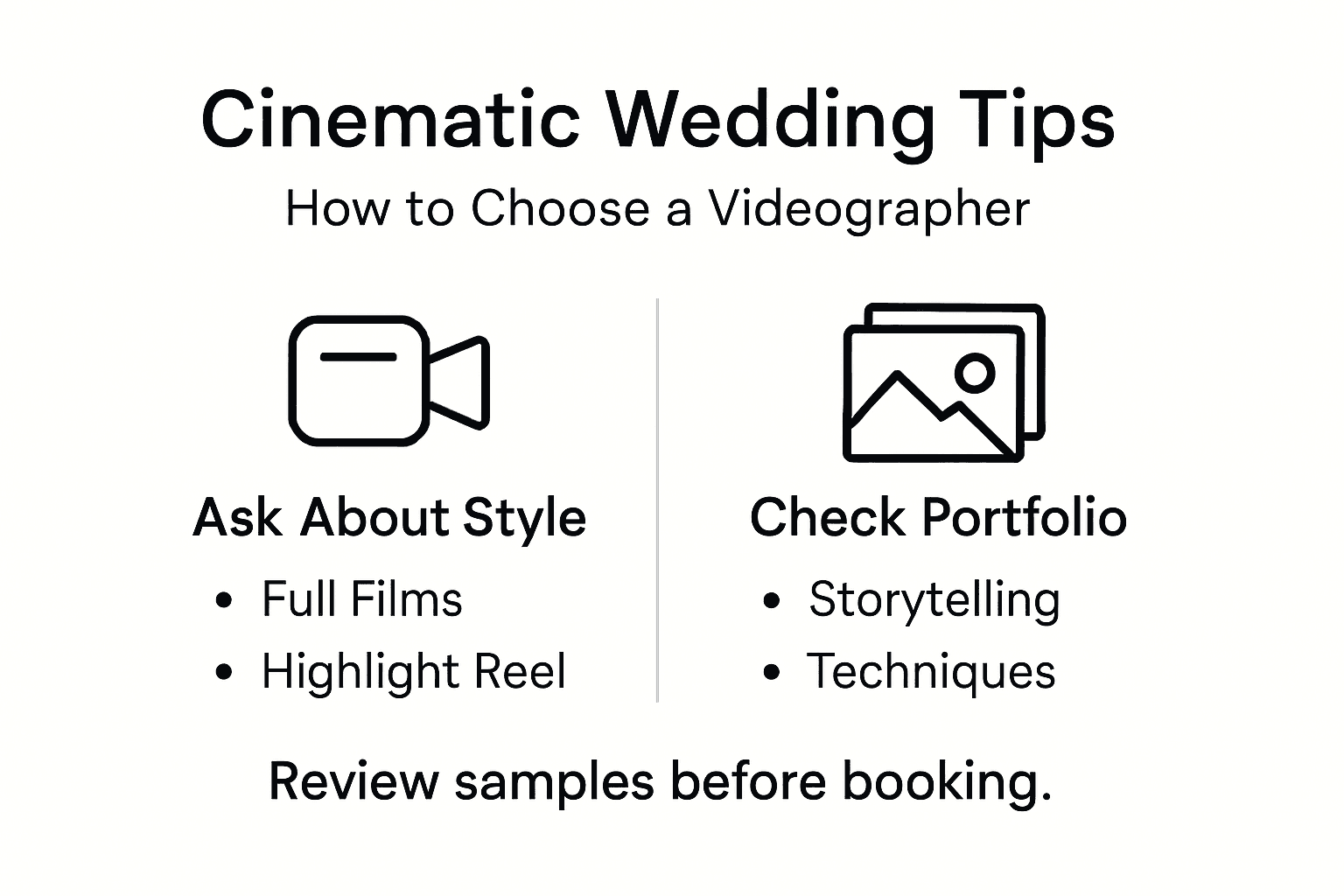
Pro tip: Ask your videographer to show you a complete wedding film from start to finish before booking, not just highlight reels. The full film reveals whether they genuinely create a compelling narrative arc throughout your entire day, not just cherry-picked dramatic moments.
Types Of Cinematic Wedding Films Explained
Whilst cinematic videography shares common ground with other wedding film styles, it branches into several distinct approaches, each telling your story in different ways. Understanding these variations helps you communicate your vision to potential videographers and ensures they capture your day in a manner that resonates with you. The primary distinction lies in how cinematic films differ from documentary, traditional, storytelling, and vintage approaches, with the cinematic style emphasising stylised, artistic approaches that involve polished editing, emotional music, and creative camera work.
Within the cinematic realm, you’ll encounter several subcategories that shape the overall feel of your final film. The romantic cinematic style focuses on intimate moments between you and your partner, with sweeping shots of embraces, stolen glances, and tender touches set to carefully curated music. This approach is ideal if you want your film to celebrate your connection and emotion above all else. The narrative cinematic style structures your day as a complete story arc, beginning with preparation, building through the ceremony, and reaching an emotional climax during key moments like your first dance or vows. Some videographers blend these approaches, creating a hybrid that captures both intimate romance and overarching narrative. Then there’s the stylised cinematic approach, which prioritises visual aesthetics and mood over strict chronology. Think moody colour grading, creative transitions, and sequences shot in slow motion or time lapse. Yorkshire couples often gravitate towards romantic and narrative styles, as they emphasise the personal significance of your celebration whilst maintaining the technical polish that makes cinematic films so compelling to watch.
Here is a summary of major cinematic wedding film styles and what they highlight for couples:
| Cinematic Style | Main Focus | Ideal For Couples Who Want |
|---|---|---|
| Romantic | Intimate moments and emotion | Strong celebration of connection |
| Narrative | Complete story arc of the day | Emotional climax and structure |
| Stylised | Visual effects and mood | Artistic polish and atmosphere |
| Hybrid | Romance plus narrative | Balance of intimacy and story |
Another important distinction involves how cinematic films handle pacing and editing. Some videographers craft shorter films, typically between five and ten minutes, that distil the essence of your day into a tight, emotionally impactful package. Others create longer films of fifteen to twenty minutes or more, allowing them to include more moments and depth. Shorter films tend to feel more polished and cinematic because every frame counts, whilst longer films give you a more comprehensive record of your celebration. When discussing your wedding with potential videographers, ask whether they offer different length options and how that affects their editing approach. A skilled cinematic videographer should be able to justify their choice and explain how the length serves your specific story. Your preferences regarding how much detail you want captured and preserved will influence which length suits you best. Some couples treasure extensive coverage, whilst others prefer a curated highlight that they’ll watch repeatedly. Both approaches can be cinematic when executed with intentionality and artistic vision.
What makes these styles distinctly cinematic rather than documentary or traditional lies in the deliberate use of production techniques. Cinematic films incorporate colour grading that establishes mood, with warmer tones for intimate scenes and cooler palettes for dramatic moments. They use music not just as background but as a narrative device that guides emotional peaks and valleys. Camera movements feel purposeful rather than reactive, with pans, tilts, and tracking shots creating visual interest. The editing rhythm matches the music, creating a seamless union between sound and image. When you watch a truly cinematic wedding film, you should feel transported into the story rather than observing it from a distance. The technical excellence becomes invisible, and what remains is an emotional experience that captures the essence of your day.
Pro tip: Request sample films from any videographer you’re considering, specifically asking for examples in the cinematic style rather than highlight reels, so you can assess their editing consistency, colour grading choices, and overall artistic vision across different wedding scenarios.
Signature Techniques In Cinematic Wedding Videography
The magic of cinematic wedding videography lies not in chance but in deliberate technique. Professional videographers employ a carefully orchestrated set of methods, beginning long before your wedding day arrives. Pre-shoot planning forms the foundation, where your videographer takes time to understand your story, visit your venue, and plan specific shots that will serve your narrative. This isn’t about generic footage—it’s about intentionality. They’ll scout locations during different times of day to identify where light falls best, consider sight lines for key moments, and develop a shot list that captures the emotional arc of your celebration. When a videographer invests this level of preparation, the results feel effortless but are anything but accidental.
Once filming begins, dynamic framing and movement distinguish cinematic work from standard documentation. Rather than planting a camera and letting it record, cinematic videographers actively compose each shot using techniques like the rule of thirds, layering depth, and strategic positioning. Smooth fluid camera movements using gimbals and sliders create a sense of flow that draws viewers through your story. A gimbal allows your videographer to move through a crowded reception whilst maintaining perfectly smooth footage, creating an immersive experience. Sliders enable controlled, gliding movements that add visual polish and intentionality. These aren’t flashy movements for their own sake—they’re chosen to emphasise emotion or reveal details that static shots would miss. A slow pan across your guests’ faces during vows tells a different story than cutting between individual reactions.
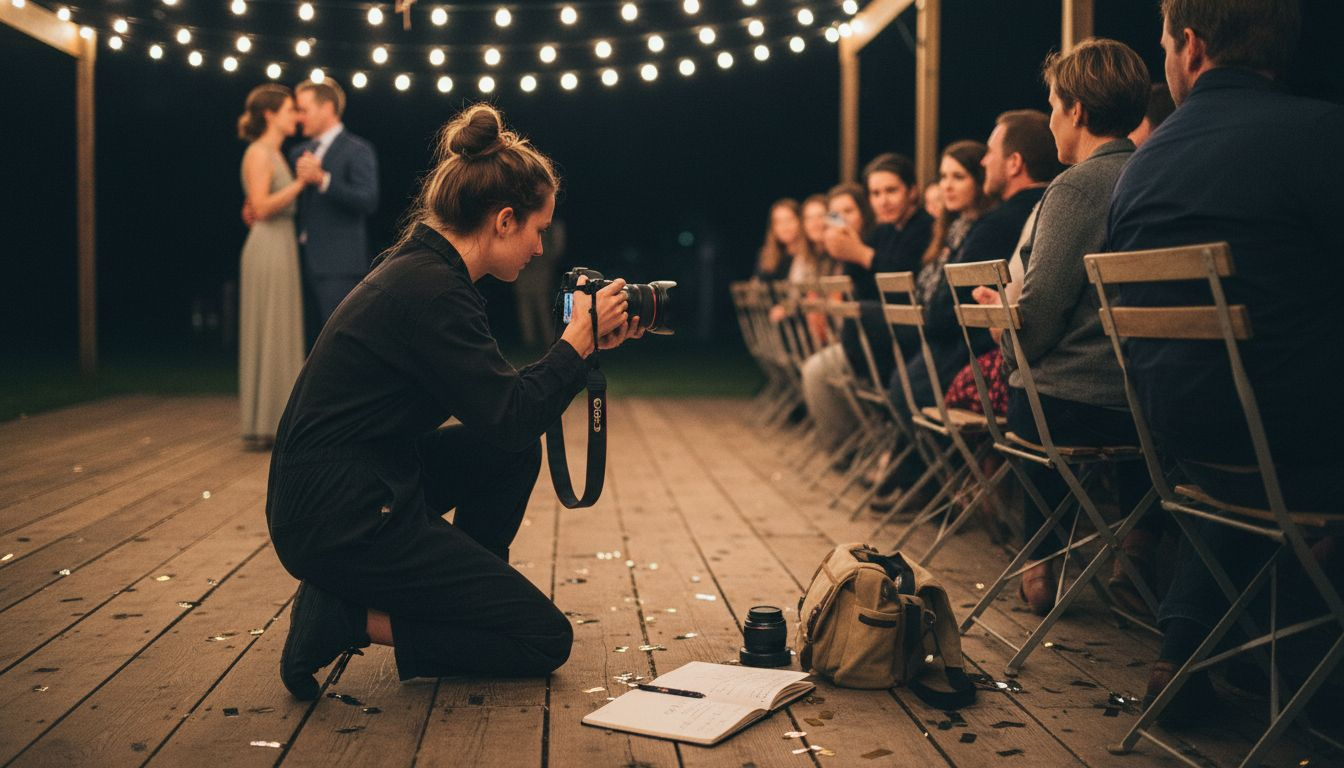
Lighting design fundamentally shapes the mood and emotional impact of your film. Natural golden hour light, those warm, honeyed tones just after sunrise or before sunset, is prized because it’s inherently flattering and emotionally resonant. Cinematic videographers time key moments around this light, creating a visual richness that feels luxurious. Beyond natural light, skilled videographers use soft indoor fill lights to brighten shadows without harsh contrasts, and backlighting to create separation and depth. Backlighting places light behind your subject, creating a subtle glow that makes them stand apart from the background. This technique transforms ordinary moments into visually compelling sequences. Sound design matters equally—clean audio capture during vows, ceremonies, and speeches ensures that emotional dialogue isn’t lost to background noise. Poor audio can ruin even beautifully shot footage, so professional videographers invest in quality microphones and thoughtful positioning.
Slow-motion footage and creative editing techniques complete the cinematic toolkit. Slow motion applied to emotional moments—a first kiss, you and your partner dancing, your guests celebrating—heightens the emotional impact by allowing viewers to absorb details they’d miss at normal speed. However, slow motion used everywhere becomes gimmicky, so experienced videographers deploy it strategically. Editing pacing ties everything together, with cuts, transitions, and music rhythm creating an emotional journey. Quick cuts during energetic moments build excitement, whilst longer holds during tender scenes allow emotion to settle. Colour grading establishes mood through warmth or coolness, saturation and contrast, creating visual coherence across your entire film.
Pro tip: When interviewing videographers, ask specifically about their pre-shoot process and what equipment they use for stabilisation—gimbals and sliders are investments that separate cinematic work from casual videography, and their presence in a videographer’s kit suggests serious commitment to polish.
Benefits And Impact For Couples
Cinematic wedding videography transforms how you experience and relive your wedding day, creating something far beyond a recording of events. When you choose this approach, you’re investing in a carefully crafted narrative that captures not just what happened, but how it felt. Years later, when you press play on your film, you won’t simply see yourself walking down the aisle or cutting the cake—you’ll be transported back to the emotional reality of those moments. The slow-motion sequence of your first kiss, the carefully colour-graded shots of golden hour light on your faces, the music swelling at just the right moment—these elements work together to recreate the feeling of your day with remarkable intimacy.
One of the most significant benefits is how cinematic videography preserves details and emotions you’ll naturally forget. Your brain captures the big moments vividly, but it’s the in-between instants that fade first. The way your partner looked at you during your vows. Your best friend’s genuine laugh during the speeches. The soft light catching your dress as you walked through the garden. Cinematic videography deliberately captures these micro-moments and weaves them into your story, ensuring they’re never lost. When you watch your film months or years later, you’ll discover moments you’d completely forgotten, rekindling emotions and reconnecting with the authentic joy of your celebration. This isn’t nostalgia—it’s genuine re-experience, and it’s profoundly moving.
Beyond personal enjoyment, a beautifully crafted cinematic film becomes a family heirloom. Unlike photos that freeze single instants, your wedding film captures movement, sound, and emotion in a continuous narrative. Your children will one day watch this film and truly understand the love and celebration that surrounded their creation. Your grandchildren will experience your wedding day not as a static image but as a living memory. This longevity matters deeply. Digital formats evolve and change, but a well-edited cinematic film remains watchable and moving across decades. The investment in quality videography pays dividends throughout your lifetime, becoming more precious as time passes.
Cinematic videography also creates practical advantages for sharing your celebration. Rather than asking guests to scroll through hundreds of photos, you can share a beautifully edited five to twenty minute film that captures your day’s essence. Relatives who couldn’t attend feel genuinely included in your story rather than merely seeing snapshots. The film becomes a gift you give to your loved ones, a way of saying “this is who we are and what this day meant to us.” When choosing comprehensive videography coverage for your Yorkshire wedding, you’re securing this lasting legacy. The technical polish, the artistic vision, and the emotional authenticity combine to create something irreplaceable.
The psychological impact shouldn’t be underestimated either. Having professional cinematic coverage means you and your partner can be fully present on your wedding day rather than worrying about documentation. You don’t need to restage moments or awkwardly ask guests to pause whilst you get the perfect shot. Your videographer handles this responsibility, allowing you to genuinely experience your celebration. This freedom creates a paradox—by not focusing on capturing the moment, you actually experience it more fully, which ironically results in more authentic footage because your genuine joy and presence shine through.
Pro tip: Plan at least one quiet moment with your partner on your wedding day specifically for your videographer to capture intimate footage, whether that’s a few minutes alone before the ceremony or a brief walk together between reception events, as these unrushed sequences often become the most treasured parts of your film.
Cinematic Versus Traditional Wedding Videos
Understanding the fundamental differences between cinematic and traditional wedding videography helps you make an informed choice about which approach suits your vision. These aren’t simply different editing styles or quality levels—they represent entirely different philosophies about how to capture and present your wedding day. Traditional wedding videos prioritise comprehensive documentation, capturing events chronologically from start to finish with minimal artistic intervention. A traditional videographer records your ceremony, speeches, first dance, and reception activities much as they occur, creating a thorough archive of what happened. Cinematic videography, by contrast, approaches your day as a narrative to be crafted, using artistic storytelling with varied camera angles and professional editing to create a polished, emotionally resonant film.
The practical implications of this difference become apparent when you watch the finished films. A traditional wedding video might run thirty to forty-five minutes, presenting events in chronological order with basic transitions and minimal music selection. You’ll see the full ceremony, complete speeches, extended reception footage, and dance sequences. This approach has genuine value—it’s a comprehensive record you can reference for exact details, moments you might have missed, and a complete timeline of your day. However, the sheer length means many people watch traditional videos once or twice and then file them away. Cinematic films, typically running five to twenty minutes, tell a distilled story of your day. Rather than showing every speech in its entirety, a cinematic edit might extract the most poignant moment from your father’s address and pair it with a carefully chosen piece of music. Rather than recording your entire first dance, it captures the most emotionally charged seconds with slow-motion enhancement and colour grading that heightens the mood. The result is something people want to rewatch repeatedly, sharing with loved ones and returning to across years and decades.
Editorial choices differ dramatically between the two approaches. Traditional videography uses straightforward cuts and transitions, keeping the focus on documenting what happened rather than how it feels. The editing serves the content—once you finish one event, you move to the next. Cinematic videography uses editing as a creative tool. Pacing accelerates during joyful moments and slows during emotional ones. Music selection doesn’t simply provide background sound but actively guides emotional beats, swelling at moments of significance and pulling back during intimate exchanges. Colour grading establishes mood, with warmer tones in romantic moments and cooler palettes during dramatic sequences. Your videographer makes countless editorial decisions about what to include, what to exclude, and how to present each moment for maximum emotional impact. This requires skill and artistic vision—the videographer isn’t simply recording but interpreting your day.
Cost considerations reflect these differences. Traditional videography typically costs less because it requires less time in post-production editing. Cinematic videography demands weeks or months of careful editing, colour grading, and refinement, reflected in higher investment. For Yorkshire couples deciding between approaches, the choice comes down to how you want to experience your wedding over time. Do you want a comprehensive archive you can reference for details? Traditional videography serves that purpose well. Do you want a film you’ll treasure and rewatch, sharing with future generations as a genuine emotional experience rather than documentation? Cinematic videography delivers that. Many couples find value in combining both—investing in cinematic coverage whilst also requesting additional raw footage archives for reference.
This comparison clarifies how cinematic and traditional wedding videos differ in practical terms:
| Aspect | Cinematic Videography | Traditional Videography |
|---|---|---|
| Purpose | Artistic, emotional story | Comprehensive documentation |
| Editing Time | Extensive post-production | Minimal basic editing |
| Technical Gear | Professional stabilisers, lighting | Simple cameras, tripods |
| Rewatch Value | Emotional and engaging | Factual, often for reference |
Key Differences At A Glance
- Length: Traditional videos typically thirty to forty-five minutes; cinematic films run five to twenty minutes
- Structure: Traditional follows chronological order; cinematic uses narrative arc
- Editing: Traditional uses basic transitions; cinematic employs creative editing for emotional impact
- Music: Traditional uses background music; cinematic uses music as narrative device
- Focus: Traditional documents comprehensively; cinematic extracts emotional essence
- Rewatchability: Traditional appeals for reference; cinematic appeals for repeated emotional experience
Pro tip: If budget allows, request both a cinematic highlight film and extended traditional footage—this gives you the emotional storytelling experience you’ll treasure whilst maintaining comprehensive documentation for reference and family sharing.
Elevate Your Wedding Story with Cinematic Videography
Your wedding day deserves more than just documentation. The challenge many couples face is capturing not only the events but the deep emotions and authentic moments that truly define their celebration. Cinematic wedding videography, as explored in the article, emphasises intentional composition, emotional storytelling, and professional techniques like natural lighting and dynamic camera movement to create a film you will cherish for decades. This approach transforms fleeting memories into an immersive experience that goes beyond traditional videos which can feel long and less emotionally engaging.
At Plomien Wedding Photography, we understand these desires and offer bespoke full-day photo and video coverage tailored to Yorkshire couples seeking that cinematic quality. We invest in the meticulous pre-shoot planning and high-end stabilisation equipment that bring those signature emotive shots to life. Our portfolio includes celebrations at stunning venues such as Hedsor House, Hawkstone Hall, and Bowcliffe Hall, demonstrating how we capture the unique atmosphere of your day with artistic flair and genuine intimacy. We know couples want a vivid narrative film that reflects their connection, not just a sequence of events.
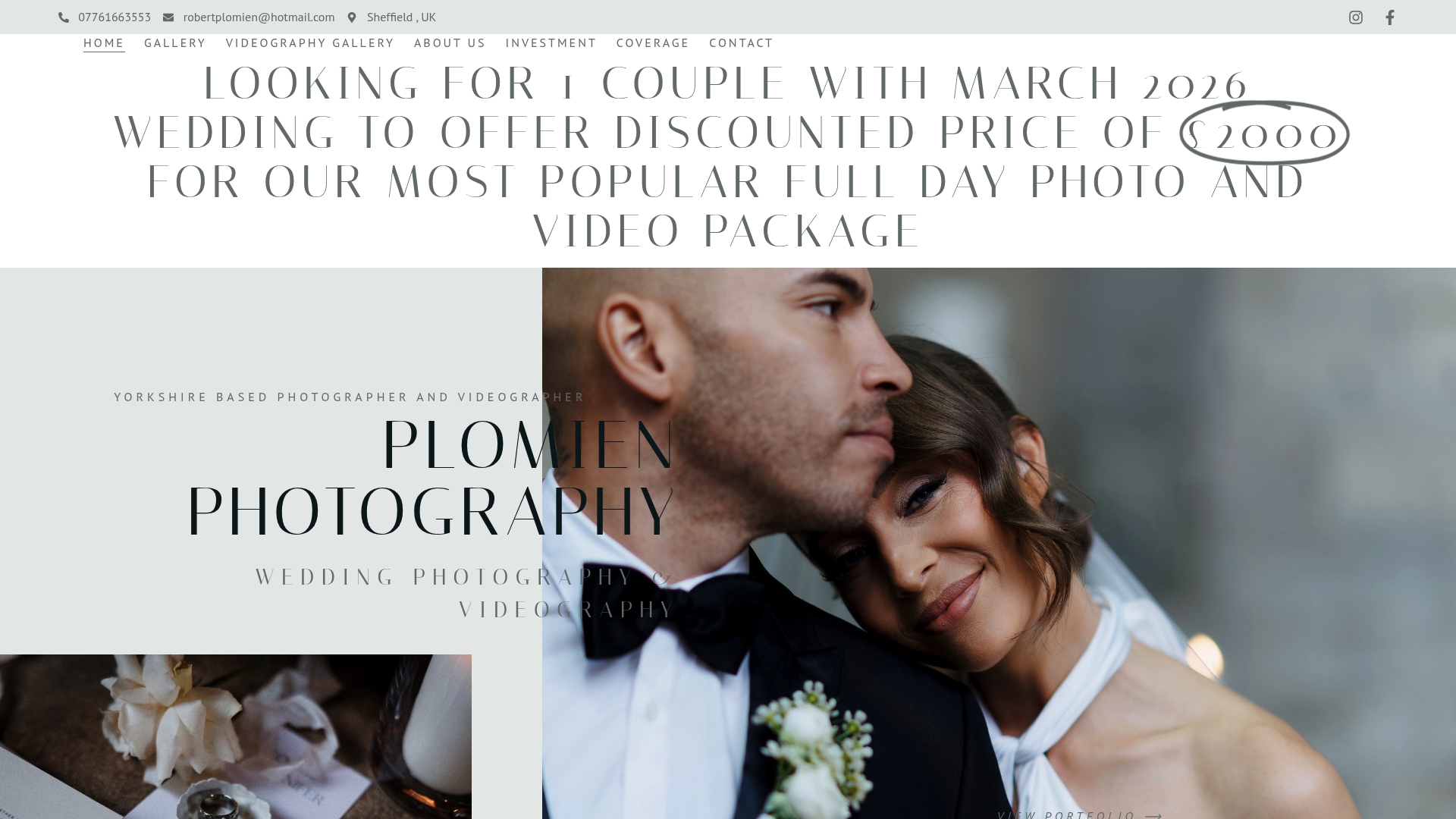
Make your wedding memories timeless and profoundly moving. Explore our wedding packages now and secure professional cinematic videography that tells your authentic story in the most beautiful way possible. The moments you treasure most deserve this level of care. Visit Plomien Wedding Photography to learn more and book your date for full-day cinematic coverage.
Frequently Asked Questions
What is cinematic wedding videography?
Cinematic wedding videography is a style that transforms your wedding day into a narrative film, employing artistic techniques and storytelling rather than simply documenting events chronologically.
How does cinematic videography differ from traditional wedding videography?
Cinematic videography focuses on crafting an emotional story using artistic editing, music, and dynamic camera movements, while traditional videography primarily documents events in chronological order without much artistic flair.
What types of cinematic wedding films are available?
Key types include romantic cinematic, which focuses on intimate moments; narrative cinematic, which structures the day as a story arc; stylised cinematic, which emphasises visual effects; and hybrid, which blends romance with a narrative.
Why should I consider hiring a cinematic wedding videographer?
Hiring a cinematic videographer offers a beautifully crafted emotional film that captures not just events, but the feelings and details of your day, creating a lasting memory you’ll want to revisit for years to come.