Choosing a wedding photographer is one of the most important decisions you’ll make during wedding planning. With couples spending 12 to 18 months researching and booking photographers, the pressure to get it right is real. Reviewing portfolios can feel overwhelming when you’re unsure what to look for beyond pretty pictures. This guide provides practical steps to evaluate wedding photography portfolios effectively, ensuring you select a photographer whose style, technical skill, and storytelling approach perfectly match your vision for your Yorkshire wedding day.
Table of Contents
- Understanding What Makes A Great Wedding Portfolio
- Steps To Thoroughly Review Wedding Portfolios
- Common Pitfalls To Avoid And Questions To Ask Your Photographer
- Expected Results And Verifying Your Photographer’s Portfolio Quality
- Explore Expert Wedding Photography Services In Yorkshire
- How To Review Wedding Portfolios – Frequently Asked Questions
Key takeaways
| Point | Details |
|---|---|
| Style consistency matters | Review multiple full weddings to confirm the photographer delivers the same quality and aesthetic across different couples and venues. |
| Full galleries reveal truth | Highlight reels hide weaknesses, whilst complete wedding albums show how photographers handle every moment from preparation to reception. |
| Lighting adaptability is crucial | Assess how photographers manage Yorkshire’s variable weather, indoor ceremonies, and low light reception environments. |
| Client reviews add context | Testimonials reveal professionalism, reliability, and how photographers interact with couples throughout the wedding day. |
| Storytelling creates memories | Portfolios should demonstrate narrative flow that captures the emotional journey of a wedding, not just isolated beautiful shots. |
Understanding what makes a great wedding portfolio
Before diving into specific portfolios, you need to understand the fundamental qualities that distinguish exceptional wedding photography. Style consistency ranks among couples’ top priorities when evaluating photographers, alongside technical skill and storytelling ability. These three elements work together to create a portfolio that truly represents what you’ll receive on your wedding day.
Style consistency means the photographer delivers the same aesthetic, approach, and quality across different weddings. Some photographers excel at bright, airy imagery with soft tones, whilst others specialise in moody, dramatic compositions. Neither approach is better, but consistency ensures you know exactly what you’re booking. Look for portfolios where the editing style, composition choices, and overall mood remain recognisable across multiple weddings. A wedding photography portfolio should feel cohesive, like chapters in the same book rather than random pages from different stories.
Technical skills separate amateur snapshots from professional wedding photography. Sharp focus, proper exposure, balanced composition, and masterful lighting control are non-negotiable. Pay attention to how photographers handle challenging situations like backlit ceremonies, dimly lit receptions, or harsh midday sun. The best portfolios showcase technical excellence even in difficult conditions, with properly exposed faces, crisp details, and flattering light across every image.
Storytelling transforms a collection of photos into a narrative that captures your wedding’s emotional journey. Great portfolios don’t just show beautiful moments, they reveal the flow of a wedding day from nervous anticipation through joyful celebration. Look for sequences that build emotional connection, candid interactions that reveal genuine relationships, and detail shots that add context to the larger story.
Pro Tip: Request access to at least two or three complete wedding galleries rather than just viewing highlight reels on websites. Full galleries reveal consistency, coverage gaps, and how photographers handle less photogenic moments that inevitably occur during real weddings.
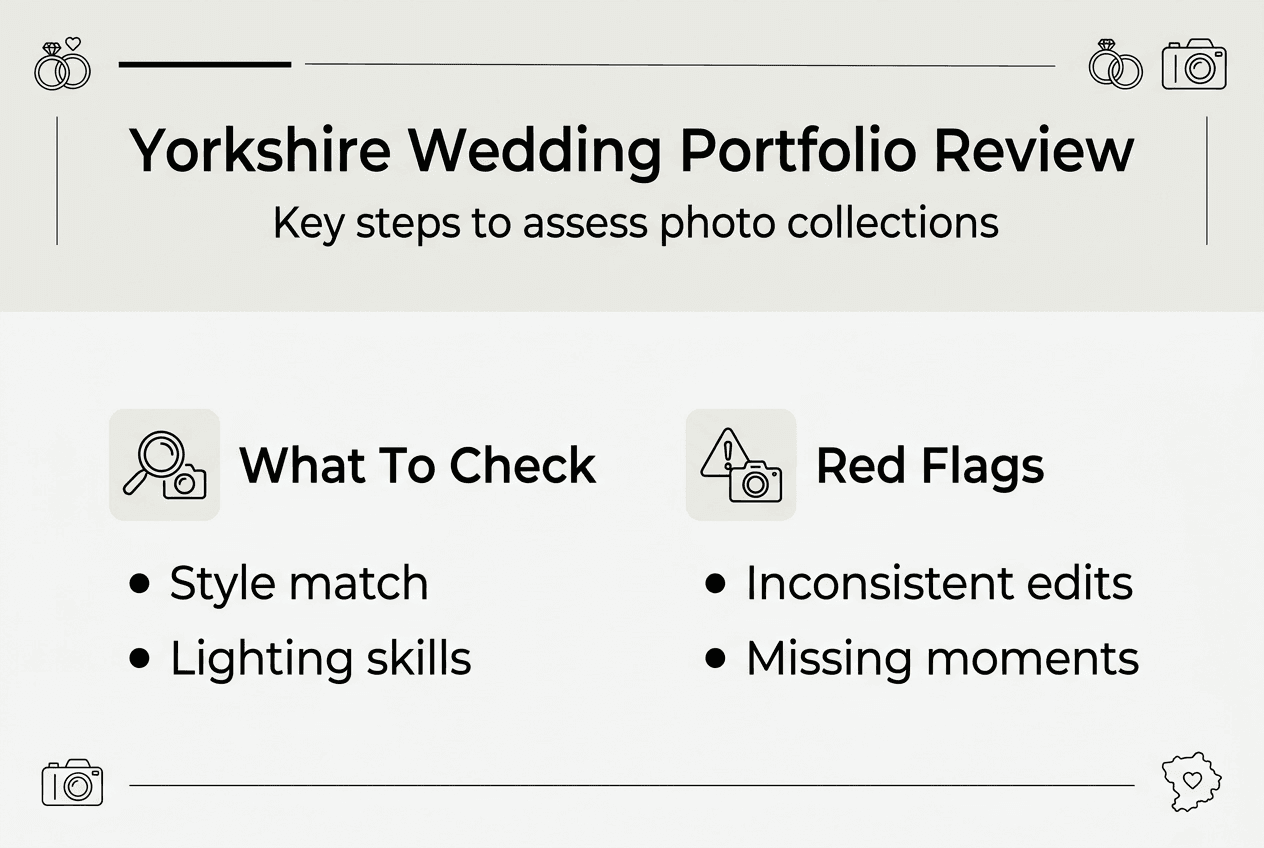
Key portfolio elements to evaluate:
- Editing consistency across different lighting conditions and venues
- Balance between posed portraits and candid documentary moments
- Coverage of all wedding day phases from preparation through reception
- Creative problem solving in challenging lighting or weather situations
- Emotional depth that goes beyond technical perfection
Steps to thoroughly review wedding portfolios
Systematic portfolio evaluation removes guesswork and helps you make confident decisions. Following these steps ensures you assess every critical aspect before committing to a photographer who’ll document your most important day.
Step one involves requesting complete wedding galleries rather than relying on curated highlights. Photographers naturally showcase their best work on websites and social media, which can create unrealistic expectations. Full wedding galleries reveal how photographers maintain quality throughout an entire day, handle transitions between locations, and capture less glamorous but equally important moments. Ask to view galleries from weddings similar to yours in terms of venue type, season, and style preferences.
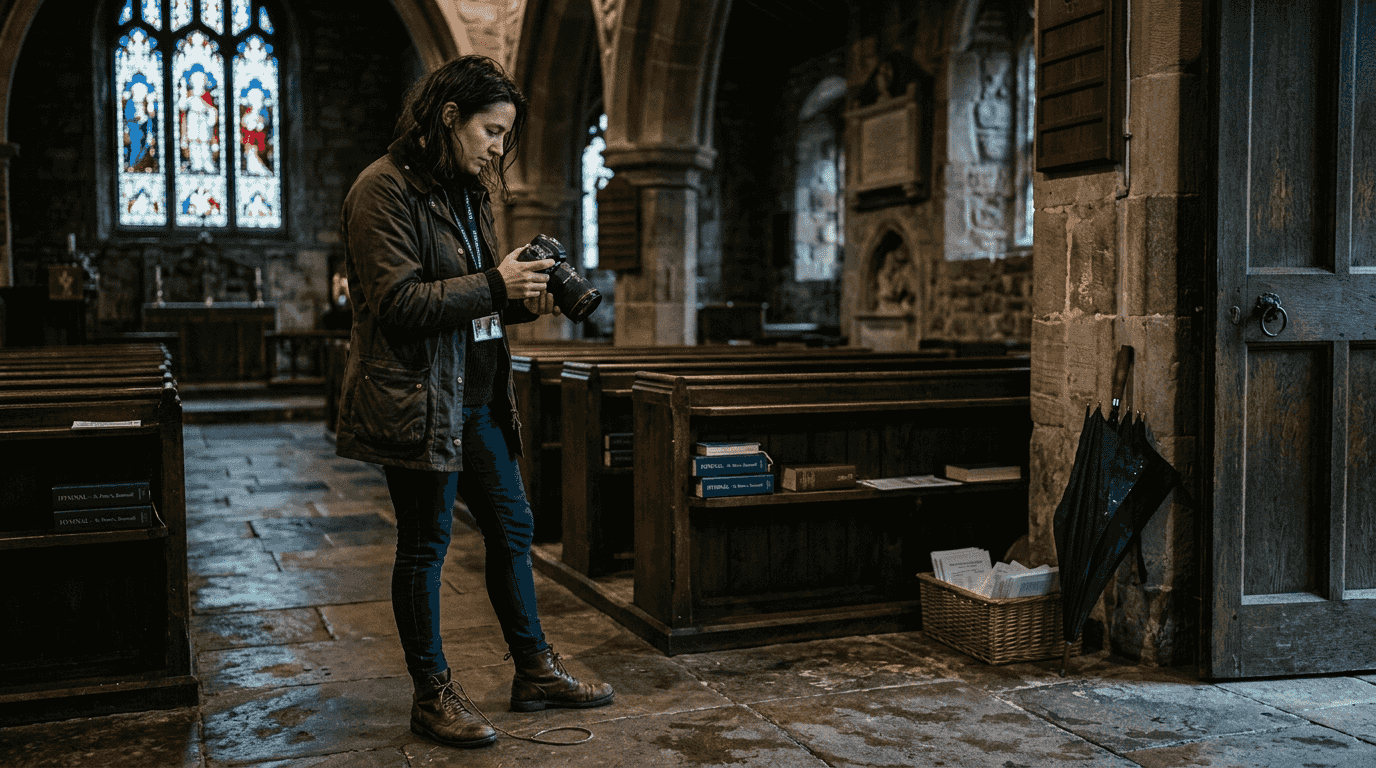
Step two focuses on lighting assessment, particularly crucial for Yorkshire weddings where weather can be unpredictable. Review how photographers handle various scenarios including bright outdoor ceremonies, dimly lit churches, overcast skies, and evening receptions with mixed artificial lighting. Strong portfolios demonstrate adaptability, showing beautiful images regardless of conditions. Look for properly exposed faces in backlit situations, flattering indoor portraits without harsh shadows, and creative use of available light rather than over reliance on flash.
Step three examines editing style and consistency. Some photographers favour bright, clean edits whilst others prefer moodier tones. Neither is wrong, but the style must match your preferences and remain consistent. Compare editing across multiple weddings, checking that skin tones look natural, colours remain true to life or stylised consistently, and the overall aesthetic aligns with your vision. Inconsistent editing suggests the photographer is still developing their style or outsources editing to different providers.
Step four compares posed versus candid approaches within portfolios. Most wedding photography blends both styles, but the balance varies significantly between photographers. Documentary photographers prioritise candid moments with minimal posing, whilst traditional photographers focus more on formal portraits. Review your how to choose a wedding photographer preferences honestly and select portfolios that match your comfort level with direction versus natural observation.
Step five incorporates client reviews and testimonials into your evaluation. Technical skills matter, but professionalism, reliability, and interpersonal dynamics significantly impact your wedding day experience. Read reviews focusing on how photographers handled unexpected situations, interacted with guests, managed timelines, and delivered final images. Given that couples invest 12 to 18 months in photographer selection, thorough research pays dividends.
Pro Tip: Create a simple scoring system rating each portfolio on style consistency, technical quality, storytelling, lighting handling, and client feedback. This objective approach helps compare multiple photographers fairly.
| Portfolio element | What to assess | Red flags | Green flags |
|---|---|---|---|
| Style consistency | Editing and composition across weddings | Wildly different aesthetics between galleries | Recognisable signature style throughout |
| Technical skill | Focus, exposure, composition quality | Blurry images, blown highlights, poor framing | Sharp details, balanced exposure, creative angles |
| Storytelling | Narrative flow and emotional connection | Disconnected random shots | Coherent day progression with emotional depth |
| Lighting mastery | Performance in various conditions | Struggles with indoor or low light situations | Beautiful images regardless of lighting challenges |
| Client reviews | Professionalism and reliability feedback | Complaints about communication or delivery | Consistent praise for service and results |
Common pitfalls to avoid and questions to ask your photographer
Even experienced couples make mistakes when reviewing portfolios, often focusing on the wrong criteria or missing critical warning signs. Understanding these pitfalls helps you avoid costly booking errors.
Many couples mistakenly believe higher prices guarantee better quality. Whilst price doesn’t equal quality, style alignment and personal fit matter far more for satisfaction with final photos. A £3,000 photographer whose style you love will deliver better results than a £5,000 photographer whose aesthetic doesn’t match your vision. Focus on portfolio quality and personal connection rather than assuming expensive automatically means superior.
Another common mistake involves judging photographers solely on highlight reels or Instagram feeds. These curated selections showcase peak moments but hide consistency issues, coverage gaps, and how photographers handle challenging situations. Always request full wedding galleries before shortlisting photographers. Similarly, couples often overlook lighting diversity in portfolios, only to discover their photographer struggles with their venue’s specific conditions.
Skipping client reviews represents a significant oversight. Technical skills matter, but professionalism, communication, and reliability separate good experiences from disasters. Read multiple reviews looking for patterns in feedback about punctuality, guest interaction, timeline management, and post wedding communication. Pay special attention to how photographers handled unexpected situations or challenging family dynamics.
Relying on personal recommendations without viewing portfolios yourself can lead to style mismatches. Your friend’s rustic barn wedding aesthetic might differ dramatically from your elegant manor house vision. Always review portfolios independently, even when booking comes highly recommended.
Style alignment and personal rapport outweigh price considerations when selecting a wedding photographer. The right photographer captures your unique story in a way that resonates with your aesthetic preferences and personality, creating images you’ll treasure for decades.
Strategic questions to ask during photographer consultations:
- Can you show me three complete wedding galleries from venues similar to mine?
- How do you handle difficult lighting conditions like overcast Yorkshire weather or dimly lit churches?
- What is your approach to balancing posed portraits with candid documentary moments?
- How many weddings do you photograph annually, and do you ever send associate photographers?
- What is your typical timeline for delivering final edited images?
- Can you provide references from recent couples, particularly those married at similar venues?
- How do you manage family portrait sessions to keep them efficient yet comprehensive?
- What backup equipment and contingency plans do you have for technical failures?
Personal rapport matters more than many couples realise. Your photographer spends the entire day with you, often in intimate moments during preparation and portraits. Arranging phone or video calls helps assess whether you feel comfortable and aligned with their personality and working style. Trust your instincts about interpersonal chemistry alongside portfolio quality.
Pro Tip: Request sample galleries from weddings at your specific venue or similar Yorkshire locations. Photographers familiar with your venue understand optimal photo locations, lighting challenges, and timing considerations that enhance results.
Expected results and verifying your photographer’s portfolio quality
Understanding what constitutes a strong portfolio result helps you set realistic expectations and verify photographer quality before committing. Exceptional portfolios demonstrate specific characteristics that predict reliable, beautiful wedding coverage.
A well executed portfolio shows cohesive style across multiple weddings whilst adapting to each couple’s unique personality and venue. The photographer’s signature aesthetic should be recognisable, but images shouldn’t feel formulaic or repetitive. Look for creative variety within consistent editing and compositional approaches. Each wedding should feel distinct yet unmistakably the work of the same photographer.
Consistent quality matters more than occasional spectacular images. Every wedding includes challenging moments like awkward family dynamics, poor weather, or timing delays. Strong portfolios show photographers maintain technical excellence and creative vision regardless of circumstances. You want reliability, not just the ability to create stunning images under perfect conditions.
Comprehensive coverage demonstrates the photographer captures every wedding phase from preparation through reception. Couples spend average 15 hours researching portfolios and value emotional storytelling that documents the complete day. Review how portfolios handle transitions between locations, cocktail hours, speeches, and dancing. Missing phases suggest gaps in coverage approach or experience.
Benchmarking against industry standards provides objective quality assessment. Compare portfolios to award winning wedding photography, published work in bridal magazines, and established Yorkshire photographers. This context helps distinguish truly exceptional work from merely competent photography. Client testimonials should consistently praise not just image quality but professionalism, communication, and overall experience.
UK wedding photography pricing typically ranges from £1,000 to £3,500 plus for full day coverage, with premium photographers commanding higher rates. Understanding typical investment levels helps set budget expectations and identify unusually low prices that might indicate inexperience or quality concerns. Value comes from the combination of technical skill, artistic vision, reliability, and personal service rather than price alone.
Final quality checks before booking:
- Verify the photographer you meet will actually shoot your wedding, not an associate
- Confirm exact deliverables including number of edited images and delivery timeline
- Review contract terms covering cancellations, rescheduling, and usage rights
- Check availability for your date and understand their booking lead time requirements
- Ensure backup equipment and contingency plans are clearly documented
- Understand payment schedule and what deposits are refundable under various scenarios
| Portfolio feature | Industry benchmark | How to verify |
|---|---|---|
| Style consistency | Recognisable aesthetic across 10 plus weddings | Request access to complete portfolio archive |
| Storytelling quality | Narrative flow capturing emotional journey | Review full wedding galleries for day progression |
| Technical excellence | Sharp focus, proper exposure in all conditions | Examine challenging lighting scenarios closely |
| Client satisfaction | 90% plus positive reviews mentioning professionalism | Read testimonials on independent review platforms |
| Booking lead time | 12 to 18 months for peak season dates | Confirm availability and understand typical booking windows |
Understanding storytelling in wedding photography helps you evaluate whether portfolios capture meaningful moments beyond technical perfection. The best wedding photography balances beautiful aesthetics with genuine emotional connection, creating images that transport you back to feelings and experiences rather than just documenting what things looked like.
Explore expert wedding photography services in Yorkshire
Now that you understand how to evaluate wedding portfolios effectively, you’re equipped to make an informed decision about your wedding photographer. Plomien Wedding Photography embodies the portfolio qualities discussed throughout this guide, with consistent style, technical excellence, and storytelling that captures authentic wedding day emotions. Our complete wedding galleries demonstrate reliable coverage across Yorkshire’s diverse venues, from historic manor houses to rustic barns, in all lighting conditions and weather scenarios.
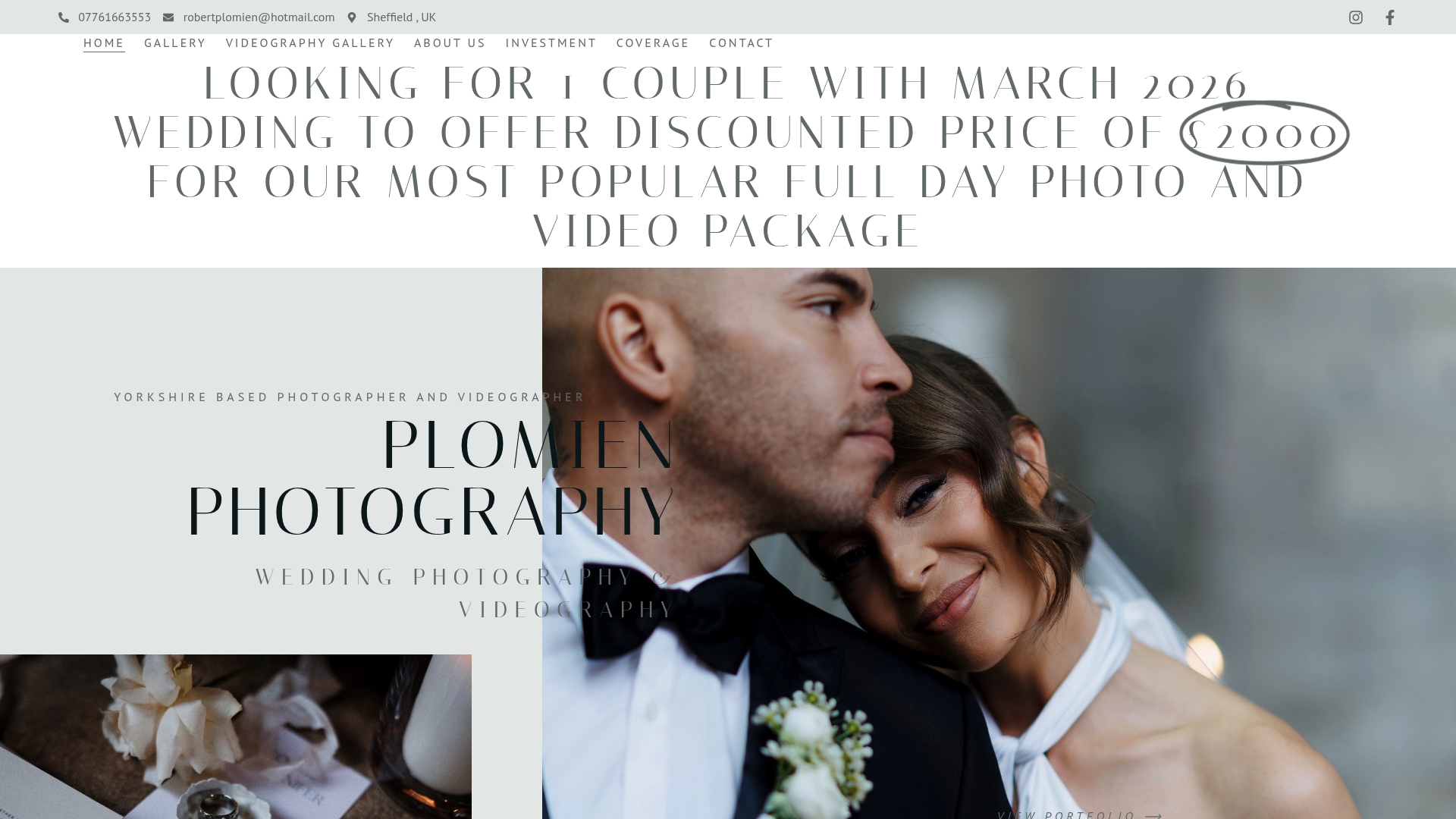
Exploring our portfolio allows you to see firsthand how we balance posed portraits with candid documentary moments, handle challenging lighting situations, and tell complete wedding day stories. Understanding why wedding photography portfolios matter helps you appreciate the depth of coverage and consistency we deliver. We encourage you to review multiple complete galleries, read client testimonials, and arrange a consultation to discuss your specific vision and venue.
Investing in professional wedding photography preserves your most precious memories for generations. Our approach focuses on authentic moments, beautiful light, and storytelling that reflects your unique relationship. Learn more about why investing in wedding photography creates lasting value beyond the wedding day itself. We offer full day wedding coverage that ensures no moment goes undocumented, from morning preparations through evening celebrations.
Pro Tip: Peak wedding season in Yorkshire books 12 to 18 months in advance. Contact photographers early in your planning process to secure your preferred date and avoid disappointment, particularly for popular summer Saturdays at prestigious venues.
How to review wedding portfolios – frequently asked questions
How far in advance should I book a wedding photographer?
Book your wedding photographer 12 to 18 months before your wedding date, particularly for peak season Saturdays between May and September. Popular Yorkshire photographers often have limited availability, and waiting too long restricts your choices to whoever remains available rather than who best matches your style preferences.
What is the difference between posed and candid photography styles?
Posed photography involves directed portraits where the photographer arranges positioning, expressions, and composition. Candid photography captures natural moments as they unfold without intervention. Most wedding photographers blend both approaches, but the balance varies significantly between documentary style shooters who prioritise candid moments and traditional photographers who focus more on formal portraits.
Why are full wedding galleries more important than highlight reels?
Highlight reels showcase only the photographer’s best 30 to 50 images, hiding consistency issues and coverage gaps. Full galleries reveal how photographers maintain quality throughout an entire day, handle transitions between locations, and capture less glamorous but equally important moments. They provide realistic expectations for what you’ll receive rather than an idealised selection.
How can I tell if a photographer’s editing style matches my taste?
Compare editing across multiple complete wedding galleries, checking that colours, tones, and overall mood consistently align with your preferences. Pay attention to skin tones, which should look natural and flattering. If you prefer bright, airy images, avoid photographers whose portfolios feature dark, moody editing. Request sample images edited in different styles if you’re unsure about their flexibility.
What questions should I ask photographers during consultations?
Ask to see complete galleries from similar venues, understand their approach to balancing posed and candid moments, clarify who will actually photograph your wedding, confirm deliverables and timelines, discuss backup equipment plans, and request references from recent couples. Focus on understanding their working style, reliability, and whether your personalities mesh well since they’ll spend your entire wedding day with you. Review our comprehensive wedding photographer selection guide for additional consultation questions.
How many weddings should I review in a photographer’s portfolio?
Review at least three to five complete wedding galleries to assess consistency across different venues, lighting conditions, and couples. Single galleries might represent the photographer’s best work rather than typical results. Multiple galleries reveal whether they maintain quality standards regardless of circumstances and adapt their approach whilst preserving signature style.