Sorting through the details of a Yorkshire wedding at venues like Bowcliffe Hall or Hawkstone Hall means more than picking outfits and flowers. The right wedding photographer becomes a trusted partner in preserving your story, balancing stunning artistry with planning and timing behind the scenes. Couples need someone who delivers both technical skill and emotional understanding, ensuring every genuine moment feels as natural as it does meaningful. Discover how a professional can shape the way your day is remembered for a lifetime.
Table of Contents
- Defining The Role Of Wedding Photographer
- Wedding Photography Styles And Approaches
- What Makes A Great Wedding Photographer
- Planning, Logistics, And On-The-Day Support
- Responsibilities, Rights, And Common Pitfalls
Key Takeaways
| Point | Details |
|---|---|
| Importance of Understanding | A wedding photographer’s role extends beyond mere documentation, requiring an understanding of the couple’s vision and the ability to manage the narrative of the day. |
| Variety of Photography Styles | Couples should consider different photography styles, such as Traditional, Photojournalistic, Editorial, and Fine Art, to find the best aesthetic match for their memories. |
| Great Photographers Adapt | Successful photographers anticipate moments and adjust their plans to ensure authentic emotions are captured, treating the event with care and attention. |
| Legal and Ethical Considerations | Understanding copyright ownership and ethical responsibilities is crucial to avoid misunderstandings regarding image usage and privacy during the event. |
Defining the Role of Wedding Photographer
Wedding photography is far more than pointing a camera and pressing a button. A professional wedding photographer specialises in capturing the authentic emotions and unfolding narrative of your wedding day, transforming fleeting moments into permanent memories. The role encompasses understanding your vision, managing the technical complexities of lighting and composition, and preserving those genuine reactions that happen when people aren’t performing for the camera. Your photographer becomes both a visual storyteller and a logistical manager, coordinating timing, positioning guests, and adapting to the unique environment of your venue, whether that’s the grandeur of Hedsor House or the intimate setting of a Yorkshire barn.
Beyond the ceremony itself, the photographer’s responsibilities begin long before you walk down the aisle and continue well after the final guest leaves. This includes pre-wedding consultations to understand which moments matter most to you, scouting your venue to determine optimal camera angles and lighting strategies, managing different lighting conditions throughout the day, and composing shots of diverse subjects from candid embraces to formal group portraits. The work extends into the editing phase, where raw images transform into the polished gallery you’ll treasure for decades. A skilled photographer balances technical proficiency with artistic vision, blending technical mastery of equipment with the interpersonal communication needed to make you and your guests feel comfortable enough to be genuinely themselves.
What makes this role truly significant is understanding that wedding photographers shape how these events are recalled, influencing the collective memory of your day and strengthening the emotional connections between everyone present. Your photographer isn’t simply documenting; they’re creating a narrative arc that tells the story of who you are as a couple. When you review your wedding photographs months or years later, you’ll experience the day through your photographer’s artistic perspective, seeing angles and moments you may have missed whilst living through the experience. This is why choosing someone who truly understands your style and values makes such a profound difference. When photographers invest time in knowing what matters to you, they capture not just images, but the essence of your celebration.
Pro tip: During your initial consultation with your photographer, share specific moments you absolutely want captured (first dance, detail shots, family groupings) and ask how they plan to tell your story through their camera work, ensuring their artistic approach aligns with your vision.
Wedding Photography Styles and Approaches
Your wedding photographer’s style shapes how your story unfolds visually, and understanding the different approaches available helps you choose someone whose artistic vision matches your own. Wedding photography isn’t one-size-fits-all. Some couples want every detail meticulously posed and composed, whilst others prefer their photographer to fade into the background, capturing genuine moments as they naturally occur. The main styles available range from Traditional photography, which focuses on posed, timeless portraits including family group shots and ceremonial highlights, to Photojournalistic approaches that capture candid, natural moments with minimal interference. Between these lie Editorial style, drawing inspiration from high-fashion magazines with dramatic, styled compositions, and Fine Art style, which combines creative vision with elegant composition to produce artistic and timeless images that emphasise light, colour, and detail.
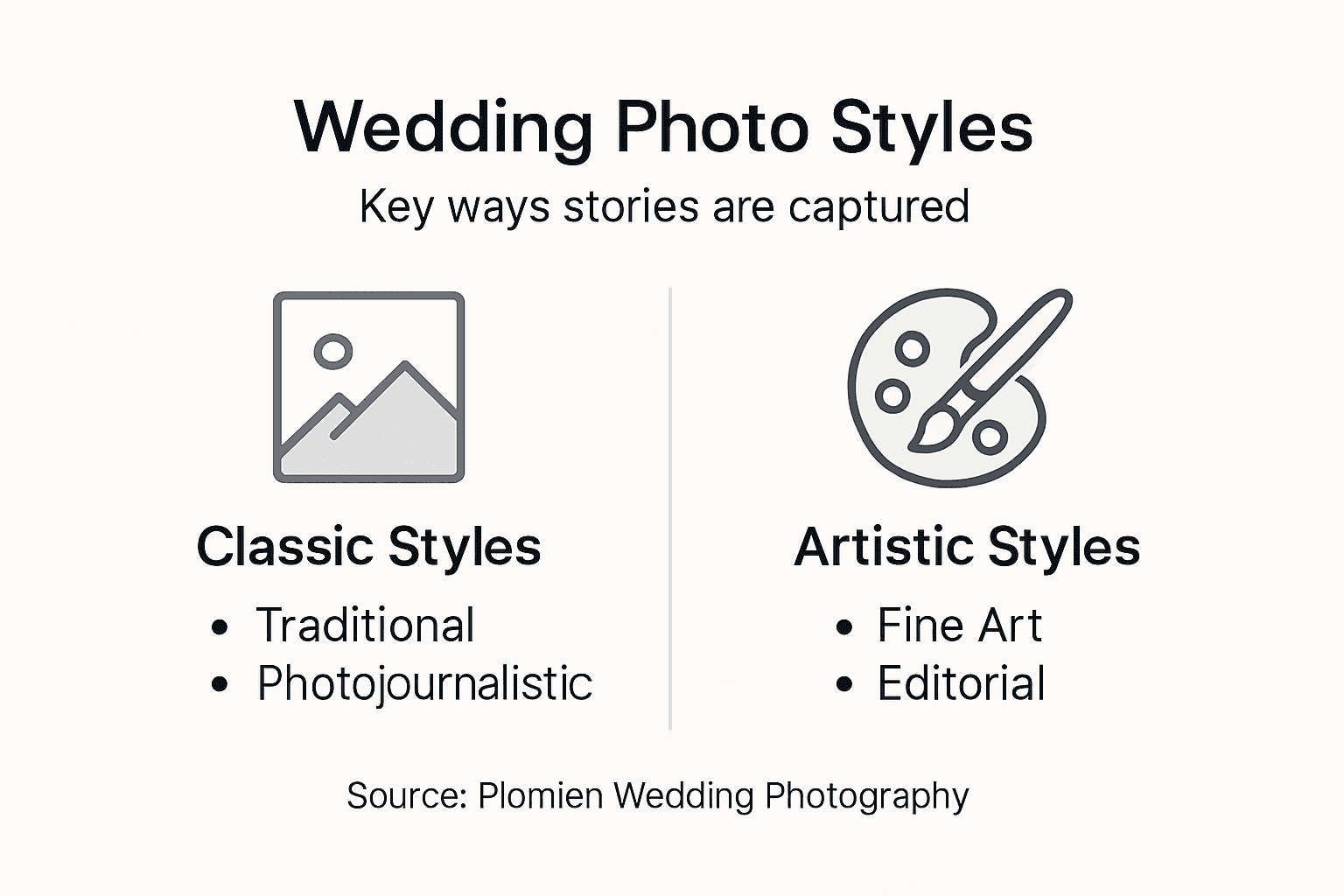
Many photographers working in Yorkshire’s prestigious venues blend multiple approaches rather than adhering strictly to one style. Candid photography captures moments as they happen with little to no posing, letting genuine emotions shine through when your guests are laughing, crying, or dancing without thinking about the camera. The Fine Art approach involves deliberate scene control using lighting and posing for visually stunning images that feel surreal and artistic, perfect if you want photographs that look like paintings hung in a gallery. Photojournalistic photography tells a story through event documentation, weaving together moments chronologically to create a complete narrative of your day rather than isolated individual shots.
The best approach depends entirely on your personality and how you want to remember your wedding. If you’re naturally comfortable with direction and enjoy traditional family photographs at Bowcliffe Hall or another formal venue, a photographer skilled in posed portraits combined with candid moments offers the best of both worlds. If you prefer authenticity and dislike being told where to stand, a photojournalistic or candid-focused approach allows your day to unfold naturally whilst your photographer documents everything. Understanding different wedding photography styles helps you select an approach aligned with your vision and preferences, ensuring the images you treasure for decades reflect not just what happened, but how it genuinely felt.
Pro tip: Review your photographer’s portfolio carefully to identify their signature style, then discuss how they blend different approaches, asking specifically how they balance posed moments with candid captures to match your comfort level and preferences.
Below is a comparison of the main wedding photography styles to help you choose the approach that matches your personality and preferences:
| Style | Visual Approach | Ideal For | Artistic Focus |
|---|---|---|---|
| Traditional | Posed, formal compositions | Couples wanting classic portraits | Structure and ceremony highlights |
| Photojournalistic | Candid, unobtrusive documentation | Couples preferring authenticity | Natural moments and emotions |
| Editorial | High-fashion, dramatic shots | Couples loving magazine-like images | Dramatic lighting and styling |
| Fine Art | Elegant, painterly images | Couples valuing artistic visuals | Light, colour, and composition |
What Makes a Great Wedding Photographer
Greatness in wedding photography extends far beyond owning expensive equipment or having a large portfolio. A truly great wedding photographer possesses a rare combination of technical mastery, emotional intelligence, and unwavering reliability. They understand that your wedding day happens exactly once, and there are no second chances to capture that first kiss, your father’s expression as you walk down the aisle, or your best friend’s genuine laughter during the reception. This pressure transforms ordinary photographers into exceptional ones. Technical skill matters absolutely, but only when paired with the ability to anticipate moments before they occur, position themselves invisibly, and make your guests feel at ease in front of the camera. A great photographer doesn’t just react to what happens; they predict it, prepare for it, and create the conditions where authentic emotion flourishes.
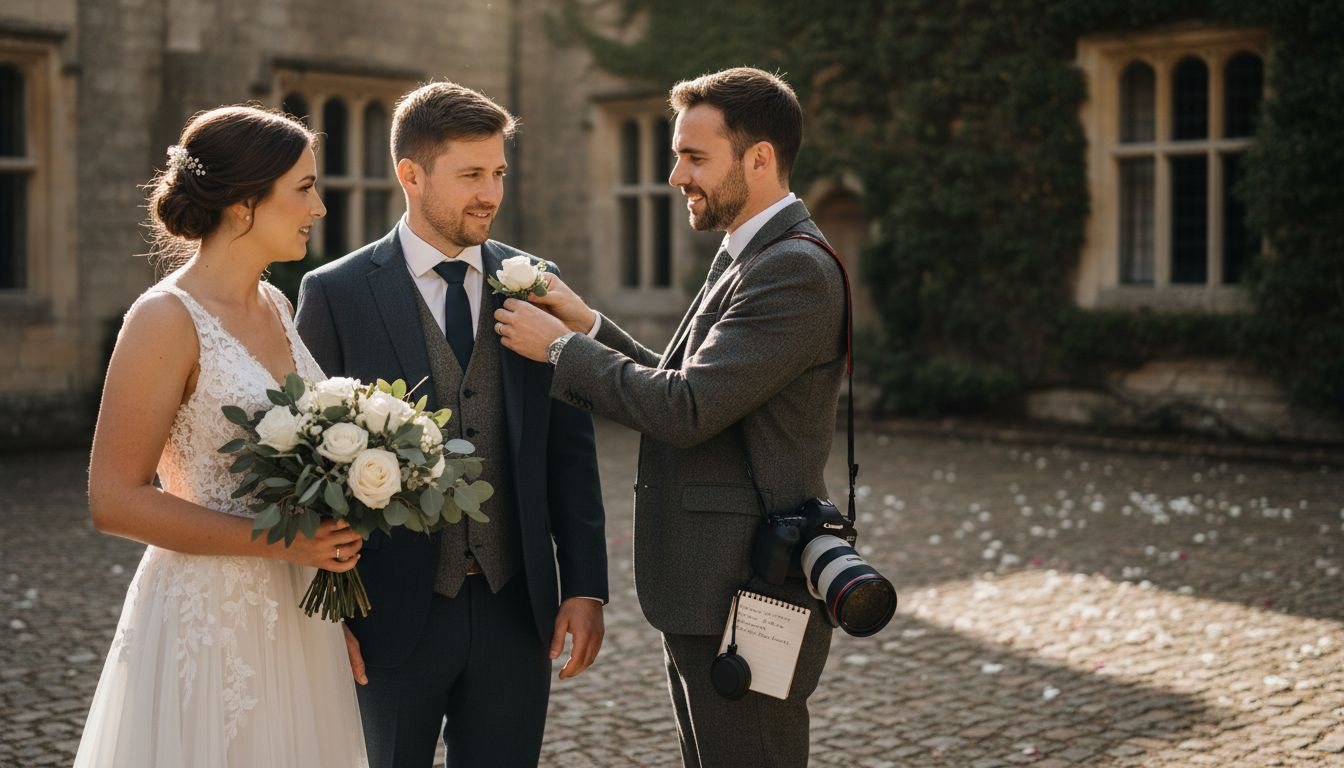
Beyond the camera itself, what truly distinguishes great wedding photographers is their interpersonal connection and communication before the wedding day. They listen carefully during consultations, asking thoughtful questions about your relationship story, your family dynamics, and the specific moments that matter most to you. They scout your venue thoroughly, understanding how light moves through Hedsor House’s elegant rooms or how the Yorkshire countryside changes throughout the day. They develop a plan whilst remaining flexible enough to abandon it entirely when something unexpected and beautiful happens. This balance between preparation and spontaneity cannot be rushed or faked. Great photographers also possess extraordinary technical problem-solving skills, adapting instantly to challenging lighting conditions, unpredictable weather, or tight spaces in historic venues. When your aunt suddenly requests a specific photograph, when the light changes unexpectedly, or when an emotional moment erupts during vows, they respond with confidence rather than panic.
Perhaps most importantly, great wedding photographers treat your wedding with genuine care rather than simply going through the motions. They arrive early, stay late when necessary, and invest emotional energy in your day as though it were their own. They communicate honestly about what they can deliver, never overselling or making promises they cannot keep. They understand that their role is facilitating your celebration, not making your day revolve around their photography needs. When you review comprehensive coverage of your wedding day, you should feel that your photographer was present not just with their camera, but with their full attention and genuine investment in preserving your story authentically.
Pro tip: Ask potential photographers about a time they made a mistake on a wedding day and how they handled it; their honesty and problem-solving approach reveals far more about their character than any portfolio image ever could.
Planning, Logistics, and On-the-Day Support
Your wedding photographer’s involvement begins months before you walk down the aisle. Effective planning starts with detailed conversations about your vision, your schedule, and the specific moments you absolutely want captured. Your photographer needs to understand your timeline backwards and forwards, from the moment you wake up to the final dance. This isn’t just about knowing when the ceremony starts; it’s about understanding how much time you need for getting ready photographs, where those photos will happen, whether there’s natural light in your bridal suite at Hawkstone Hall, and how long your photography session should last before the ceremony. Creating an effective wedding day timeline in collaboration with your photographer ensures that all key moments get captured without rushing or creating unnecessary stress. Your photographer should ask detailed questions about your preferences, share their experience with your specific venue, and help identify optimal shooting locations based on natural light and backdrop quality.
Vendor coordination and buffer time are absolutely critical to smooth execution on the day. Your photographer needs to align their schedule with your florist, caterer, videographer, and other vendors to ensure seamless transitions between different stages of your celebration. This is where detailed logistics planning and contingency strategies become invaluable. When your ceremony runs fifteen minutes late, your photographer needs buffer time built into the schedule so golden hour portraits don’t become rushed and stressful. When weather forces a change of location, a photographer who has visited your venue beforehand knows exactly where the light falls at what time and can adapt instantly. Your photographer should arrive early to scout final conditions, check lighting, and prepare their equipment. They should coordinate with your coordinator about the schedule’s flexibility, discussing which moments are absolutely fixed and which have some flexibility for capturing candid opportunities.
On the day itself, your photographer serves as both creative director and logistical problem solver. They manage group photos by quietly corralling family members without disrupting your celebration, communicate with your coordinator about timing, and adjust their shooting plan based on how the day actually unfolds versus how you planned it. A great photographer anticipates your needs, spotting moments before they happen and positioning themselves invisibly. They keep you informed about timing, help manage your guests’ movements without creating chaos, and remain calm when inevitable small crises occur. Most importantly, they create a safe space where genuine emotion can happen, because if you feel stressed or uncomfortable with your photographer’s presence, that tension shows up in every photograph. Your photographer’s support on the day extends beyond the camera; they’re part of your team, invested in making your celebration feel joyful and unhurried.
Pro tip: Build a detailed timeline with your photographer at least six weeks before your wedding, including specific buffer times between events, and share it with all your vendors to ensure everyone understands the schedule and can coordinate seamlessly on the day.
Responsibilities, Rights, and Common Pitfalls
Understanding the legal and ethical boundaries between you and your photographer prevents misunderstandings that can sour what should be a joyful partnership. Your photographer holds copyright ownership of the images they create unless you have explicitly negotiated different terms in your contract. This means they own the right to reproduce, distribute, and license your photographs. However, you typically receive a licence allowing you to use those images for personal purposes, display them in your home, and share them on social media. What you cannot do without permission is sell those images, use them for commercial purposes, or modify them significantly. The specific rights you receive depend entirely on what your contract states, so reading the fine print matters far more than most couples realise. Some photographers offer extended licences that grant broader usage rights for an additional fee, whilst others retain strict control over how images can be used. Before booking, ask precisely what rights you receive and whether you can print images through any lab you choose or only through the photographer’s preferred vendor.
Your photographer carries significant ethical responsibilities that go beyond technical skill. Ethical considerations include cultural sensitivity, avoiding stereotypes, and maintaining authenticity, particularly as digital editing and artificial intelligence present new challenges in image manipulation. Your photographer should respect your guests’ privacy, asking permission before photographing children who aren’t yours or capturing moments in circumstances where people reasonably expect privacy. They should also understand cultural or religious protocols specific to your celebration. If you have requests about certain moments not being photographed or specific family members being excluded from particular shots, a professional photographer respects those boundaries completely. Beyond privacy, ethical photographers maintain transparency about what images will and won’t be edited, avoiding heavy manipulation that distorts reality or creates misleading representations of your day.
Here is a summary of crucial legal and ethical considerations when engaging a wedding photographer:
| Consideration | What It Means | Why It Matters |
|---|---|---|
| Copyright Ownership | Photographer retains image rights | Determines sharing and usage permissions |
| Client Usage Rights | Licence for personal use and sharing | Ensures you can display and print photos |
| Ethical Responsibility | Respect for privacy and cultural norms | Protects guests and upholds authenticity |
| Editing Transparency | Clarity on edits and retouching | Maintains trust in final images |
Common pitfalls emerge when communication breaks down or expectations diverge from reality. These include mismanaging client expectations, lack of clear communication about schedule changes, and failure to scout venues beforehand, along with photographers lacking backup equipment for gear malfunctions. A photographer arriving without a backup camera and its battery dying mid ceremony creates a catastrophic situation entirely preventable through proper preparation. Similarly, if your photographer hasn’t visited your venue before your wedding day, they cannot possibly know where the light falls at critical times or how to position guests in unflattering shadows. Poor communication about timeline changes creates friction when your ceremony runs thirty minutes late and your photographer becomes stressed instead of adaptable. The best protection against these pitfalls is choosing a photographer who communicates proactively, asks clarifying questions, and demonstrates genuine investment in your success. Ask directly during consultations how they handle equipment failures, what their contingency plans are, and how they manage schedule changes.
Pro tip: Request a detailed contract that clearly specifies copyright ownership, usage rights, editing standards, backup equipment plans, and communication protocols for timeline changes, ensuring both you and your photographer understand exactly what to expect.
Capture Your Wedding Story with Plomien Wedding Photography
Choosing the right wedding photographer is about more than just pictures. As explored in this article, the challenge lies in finding a professional who truly preserves your story through authentic emotions, seamless logistics, and artistic vision. At Plomien Wedding Photography, we understand the importance of every candid moment, every quiet glance, and every smile that forms the essence of your celebration. Our expertise in Yorkshire and beyond, including iconic venues like Hedsor House and Bowcliffe Hall, allows us to combine technical mastery with heartfelt storytelling.
We invite you to explore our Uncategorized – Plomien Wedding Photography page for insights and stories from couples who trusted us to capture their once-in-a-lifetime day.

Discover how our full-day coverage packages provide comprehensive, stress-free photography and videography tailored to your unique vision. Visit our main site at Plomien Wedding Photography now to view our portfolio and take the first step towards preserving your wedding day memories with genuine care and professionalism.
Frequently Asked Questions
What is the primary role of a wedding photographer?
A wedding photographer is responsible for capturing the authentic emotions and narratives of your wedding day, transforming fleeting moments into permanent memories through skilled storytelling and technical expertise.
How can I ensure my wedding photographer understands my vision?
During your initial consultation, openly share specific moments that matter most to you, and discuss how you envision your story being told through their camera work. This helps align their artistic approach with your expectations.
What are the different styles of wedding photography?
Common styles include Traditional, Photojournalistic, Editorial, and Fine Art photography. Each has unique characteristics, from posed portraits and candid captures to dramatic and artistic images, allowing you to choose one that resonates with your preferences.
What factors should I consider when selecting a wedding photographer?
Look for a photographer’s technical mastery, emotional intelligence, reliability, and the ability to communicate effectively about your timeline and preferences. Reviewing their portfolio and understanding their approach to capturing moments are also essential steps.