TL;DR:
- Wedding photography is a vital investment, providing lasting memories of your special day.
- Costs are driven by coverage hours, experience, location, and optional extras like albums or drone footage.
- Start planning early, compare detailed quotes, and ensure clear contracts to secure quality without hidden costs.
Wedding photography sits at an interesting crossroads: it is one of the most emotionally significant investments you will make for your big day, yet it is also one of the most confusing to budget for. Prices vary wildly, packages differ enormously, and the stakes feel high because these images will outlast the flowers, the cake, and even the dress. If you are planning a 2026 wedding in the UK and feeling uncertain about how much to set aside, this guide walks you through every step, from understanding what drives costs to securing your photographer with confidence and no nasty surprises.
Table of Contents
- Why photography deserves a priority in your wedding budget
- What influences wedding photography costs in 2026
- Step-by-step guide for setting your photography budget
- How to secure your photographer and avoid hidden costs
- Our practical take on wedding photography budgeting in 2026
- Ready to book? Next steps for finding your perfect photographer
- Frequently asked questions
Key Takeaways
| Point | Details |
|---|---|
| Photography is worth prioritising | Budgeting properly for wedding photography ensures your memories are expertly captured and treasured. |
| Understand cost factors | Coverage hours, extras, and 2026 trends all shape your final photography investment. |
| Follow a step-by-step approach | Break your budget down into achievable steps for informed, stress-free decisions. |
| Check for hidden costs | Clarify every detail in your contract to sidestep financial surprises. |
| Book early for best value | Reserving your photographer well ahead can save money and guarantee your first choice. |
Why photography deserves a priority in your wedding budget
When the day is over, the food is eaten, and the venue is cleared, your photographs are what remain. They are the tangible record of every laugh, every tear, and every quiet moment between you and the people you love most. That is not a sentimental exaggeration. It is a practical reality that many couples only fully appreciate once the wedding is behind them.
Research consistently shows that photography ranks among the top regrets for couples who cut corners on their wedding budget. In fact, studies suggest that a significant proportion of newlyweds wish they had invested more in their photographer rather than in décor or entertainment. The lasting impact of wedding photography is well recognised, and for good reason: a skilled photographer does not just take pictures, they tell your story.
In the UK, the average wedding cost currently sits around £20,000 to £30,000 for a full celebration. Photography typically accounts for £1,500 to £4,000 of that, with premium full-day coverage reaching £5,000 or more. Compared with venue hire or catering, photography often delivers the highest return on emotional investment.
Here is what professional photography gives you that no other supplier can:
- Reliability and experience: A seasoned photographer has seen it all and knows how to handle poor lighting, unpredictable weather, and nervous couples.
- Storytelling ability: Great photographers capture the narrative arc of your day, not just posed portraits.
- Print-ready quality: Professional files are edited to a standard that allows large-format prints and albums that last generations.
- Discretion and professionalism: You and your guests can relax knowing someone skilled is quietly working in the background.
- Consistency: You receive a cohesive set of images, not a mixed bag from well-meaning guests with smartphones.
Understanding why hire a wedding photographer matters before you set a single figure in your spreadsheet. Once you appreciate the value, the budgeting process becomes far more straightforward.
Pro Tip: Start your photographer search at least 12 to 18 months before your wedding date. The best photographers in Yorkshire and across the UK book up quickly, and early enquiries often give you more room to negotiate or customise a package.
What influences wedding photography costs in 2026
Understanding what you are actually paying for makes it much easier to compare quotes and avoid overpaying or undervaluing a proposal. Packages, coverage hours, and experience level are the primary cost drivers, but several other factors shape the final figure.
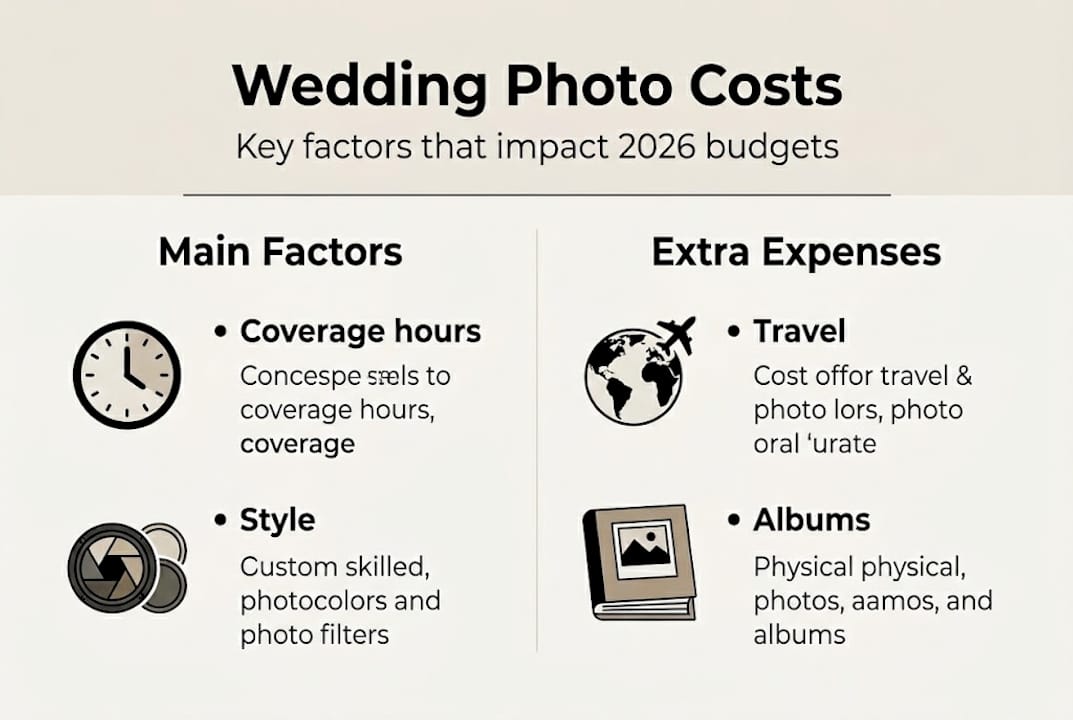
| Factor | Description | Typical cost impact |
|---|---|---|
| Hours of coverage | Half-day vs. full-day vs. multi-day | £500 to £2,000+ difference |
| Number of photographers | Solo shooter vs. second shooter | £300 to £800 extra |
| Printed albums | Luxury bound albums vs. digital only | £400 to £1,200 extra |
| Engagement shoot | Pre-wedding session for comfort and practice | £150 to £500 extra |
| Drone footage | Aerial shots of venue or ceremony | £200 to £600 extra |
| Videography add-on | Hybrid photo and video packages | £1,000 to £3,000 extra |
| Photographer experience | Emerging talent vs. established professional | Varies significantly |
In 2026, couples are increasingly requesting candid photojournalism styles over heavily posed shoots. There is also growing demand for hybrid photo and video packages, where a single creative team handles both. This can offer genuine savings compared with hiring two separate suppliers, though it is worth reviewing wedding photography trends 2026 to understand what is driving these shifts.
Location plays a significant role too. Photographers based in or near major cities, or those who regularly shoot at prestigious venues, often command higher rates. Seasonal demand also matters: summer Saturdays in June and July are peak times, while weekday or winter bookings can be more competitively priced. According to wedding photography cost data, off-peak bookings can save couples hundreds of pounds without compromising on quality.
Optional extras that commonly add to your final bill include:
- Fine art or luxury printed albums
- Rush editing or expedited delivery
- Travel and accommodation for destination weddings
- Additional hours beyond the agreed coverage window
- VAT, which some photographers charge separately
Reviewing a comparison of photography packages before you begin shortlisting will help you spot what is genuinely included and what is an upsell.
Step-by-step guide for setting your photography budget
Having a clear process turns an overwhelming decision into a manageable one. Follow these steps to build a realistic photography budget for your 2026 wedding.
- Calculate your total wedding budget first. Photography cannot be budgeted in isolation. Know your overall figure before assigning any category a specific amount.
- Allocate 8 to 12% to photography. For a £25,000 wedding, that means setting aside £2,000 to £3,000. This range reflects what most UK couples spend for reliable, professional coverage.
- Shortlist three to five photographers. Use portfolios, reviews, and personal recommendations. Style consistency across a photographer’s work matters more than individual standout shots.
- Request detailed quotes and compare packages. Comparing photography packages helps you understand exactly what each price includes, from hours to deliverables to editing style.
- Factor in deposits and payment schedules. Most photographers request a booking deposit of 20 to 30%, with the balance due closer to the wedding date. Build this into your cash flow planning.
- Leave a contingency buffer of 10%. Overtime, travel changes, or a last-minute album upgrade can all add unexpected costs.
Here is how photography budgets look at different wedding scales:
| Wedding scale | Total budget | Photography allocation (10%) | Typical coverage |
|---|---|---|---|
| Intimate (under 50 guests) | £10,000 | £1,000 | Half-day, digital files |
| Mid-range (50 to 100 guests) | £20,000 | £2,000 | Full-day, one photographer |
| Large (100+ guests) | £35,000 | £3,500 | Full-day, second shooter, album |
| Premium celebration | £50,000+ | £5,000+ | Full-day, video, luxury album |
When choosing photography packages, always ask what happens if your day runs over schedule. Many photographers offer overtime at an hourly rate, so knowing that figure in advance prevents awkward conversations on the day.
Pro Tip: Ask every photographer you consider whether they can customise their packages. Many will swap an engagement shoot for extra coverage hours, or adjust album specifications to fit your budget without reducing the quality of their service.
Understanding how much to spend on a wedding photographer is less about finding a fixed answer and more about matching your priorities with what each package genuinely delivers.
How to secure your photographer and avoid hidden costs
Once you have found a photographer whose style and price feel right, the next step is making it official without leaving yourself exposed to unexpected charges. Reading the fine print and confirming every detail before signing is the single most important thing you can do at this stage.
Before you sign any contract, make sure it clearly covers:
- Deliverables: Exact number of edited images, file formats, and delivery method
- Coverage hours: Start and finish times, with overtime rates stated explicitly
- Payment structure: Deposit amount, final balance due date, and accepted payment methods
- Cancellation and postponement policy: What happens if you or the photographer cannot attend
- Second shooter arrangements: Whether a second photographer is included and who they are
- Insurance: Confirmation that the photographer holds public liability and equipment insurance
- Post-wedding timeline: When you will receive your gallery or album
“Always ask for a full written breakdown of what is included before paying any deposit. Travel costs, VAT, and editing fees are among the most commonly overlooked extras that can add hundreds of pounds to your final bill.”
Red flags to watch for include vague descriptions of deliverables, no mention of insurance, and photographers who are reluctant to provide a written contract. These are not signs of a flexible professional. They are warning signs of unclear expectations.
For best photography practices, confirm your post-wedding timeline in writing. Most professional photographers deliver edited galleries within six to twelve weeks, but this varies. Knowing the timeline prevents anxiety and sets realistic expectations.
For further guidance on the full planning process, wedding photography planning tips can help you stay organised from first enquiry to final delivery. You can also find practical advice on choosing your wedding photographer from independent sources to cross-reference your decision.
Our practical take on wedding photography budgeting in 2026
Here is something most budgeting guides will not tell you: the percentage you allocate matters far less than the quality of the relationship you build with your photographer. Couples who spend hours agonising over whether to allocate 9% or 11% often overlook the more important question: do you trust this person to tell your story?
The biggest myth we encounter is that cutting costs on photography is a safe economy. It rarely is. An inexperienced photographer might charge half the price but deliver inconsistent results, miss key moments, or struggle in low light. You cannot reshoot your wedding.
In 2026, the temptation to chase trends such as drone shots or cinematic reels is real. But the couples who look back most happily at their images are those who prioritised a photographer whose style felt timeless and whose personality made them feel at ease. Follow wedding photography trends 2026 for inspiration, but do not let trends drive your booking decision.
Pro Tip: Invest for story, not for hours or image count. A photographer who delivers 400 beautifully crafted images that capture your day’s emotion is worth more than one who delivers 1,200 average shots.
Ready to book? Next steps for finding your perfect photographer
You have done the research, built your budget, and know what to look for. Now it is time to move from planning to booking, because the best photographers fill their calendars quickly, especially for peak 2026 dates.
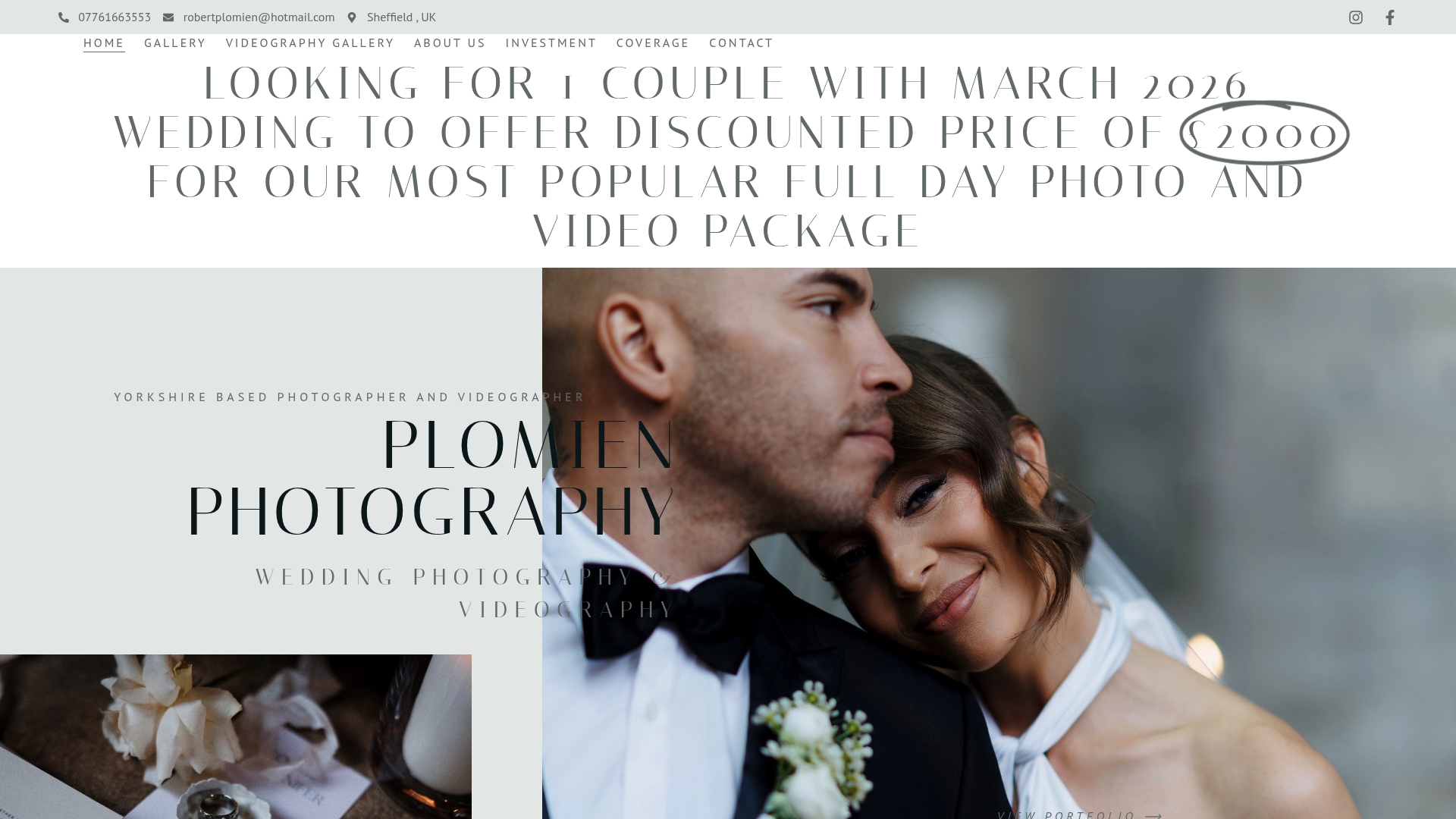
Start by exploring why invest in wedding photography to reinforce your priorities, then use the wedding photo packages explained resource to decode what each option genuinely includes. When you are ready to compare options side by side, the compare photography packages page gives you a clear framework. At Plomien Wedding Photography, we are always happy to discuss a personalised quote tailored to your day. Get in touch and let us show you what is possible.
Frequently asked questions
What percentage of our wedding budget should go to photography?
Most UK couples allocate 8 to 12% of their total wedding budget to photography, which typically delivers reliable, professional quality coverage for your day.
Are there ways to save on wedding photography without sacrificing quality?
Book early, consider weekday or off-peak dates, and ask photographers about custom packages. Off-peak bookings can save hundreds of pounds without reducing the standard of work you receive.
What extras might add hidden costs to photography packages?
Common additions include overtime fees, printed albums, travel expenses, additional editing, and VAT. Extras like albums or travel are often charged separately, so always clarify before signing.
How far in advance should couples book their photographer for 2026?
Aim to secure your photographer 12 to 18 months before your wedding date. Book 12 to 18 months ahead to access the widest choice, particularly for popular summer Saturdays.
Recommended
- How to Choose Wedding Photographer for Perfect Memories – Plomien Wedding Photography
- How to Choose Wedding Photography Packages with Confidence – Plomien Wedding Photography
- 7 Essential Best Wedding Photography Practices for Couples – Plomien Wedding Photography
- Wedding Day Photo Timeline Guide for Stress-Free Photos – Plomien Wedding Photography