Planning your wedding day timeline transforms chaos into confidence. A well-structured schedule reduces stress by up to 30%, helping you and your guests enjoy every moment fully. Yorkshire weddings face unique challenges from limited daylight hours to venue-specific constraints that demand careful coordination. This guide shows you how to sequence events efficiently, optimise photography timing, and build flexibility into your day for lasting memories.
Table of Contents
- Typical Wedding Day Events And Their Timeframes
- Optimising Photography Within The Wedding Timeline
- Timeline Flexibility And Contingency Planning
- Common Misconceptions In Wedding Day Timeline Planning
- Vendor Coordination And Timeline Integration
- Practical Application: Crafting A Realistic Wedding Timeline
- Conclusion: Empowering Couples With Effective Timeline Planning
- Frequently Asked Questions About Wedding Day Timeline Planning
Key takeaways
| Point | Details |
|---|---|
| Timeline planning reduces stress | Proper scheduling decreases anxiety by 30% and improves overall wedding flow for couples and guests |
| Events need realistic durations | Getting ready takes 1.5 to 2 ours, ceremonies 20 to 30 minutes, and receptions 4 to 6 hours |
| Photography requires strategic timing | Sessions work best immediately after ceremonies when natural Yorkshire light is optimal |
| Flexibility enhances experience | Buffer times of 15 to 30 minutes between events accommodate delays and improve photo opportunities |
| Vendor coordination prevents conflicts | Confirming schedules at least 1 week before ensures seamless integration of all services |
Typical wedding day events and their timeframes
Understanding standard wedding components helps you build realistic expectations. Each event carries specific time requirements that influence your overall schedule.
Getting ready typically spans 1.5 to 2 hours, accounting for hair, makeup, and dress preparation. Rushing this phase creates unnecessary stress and affects early photos. Ceremonies usually last 20 to 30 minutes, though religious services may extend longer. Reception events consume the bulk of your day at 4 to 6 hours, including dinner, speeches, and dancing.
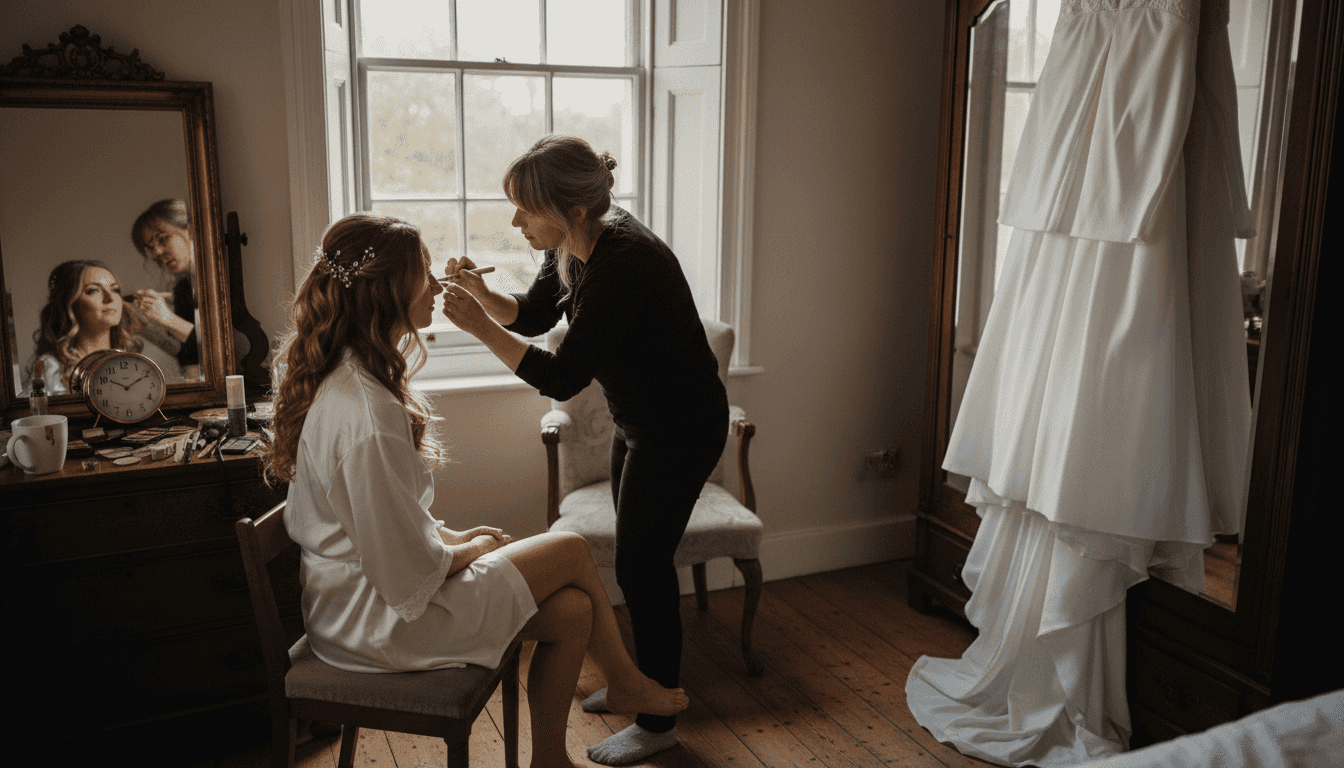
Photography sessions fit between major events, capturing formal portraits and candid moments. These sessions often take longer than couples anticipate, so allocate generous time blocks. Yorkshire’s variable daylight means timing becomes crucial for outdoor shots.
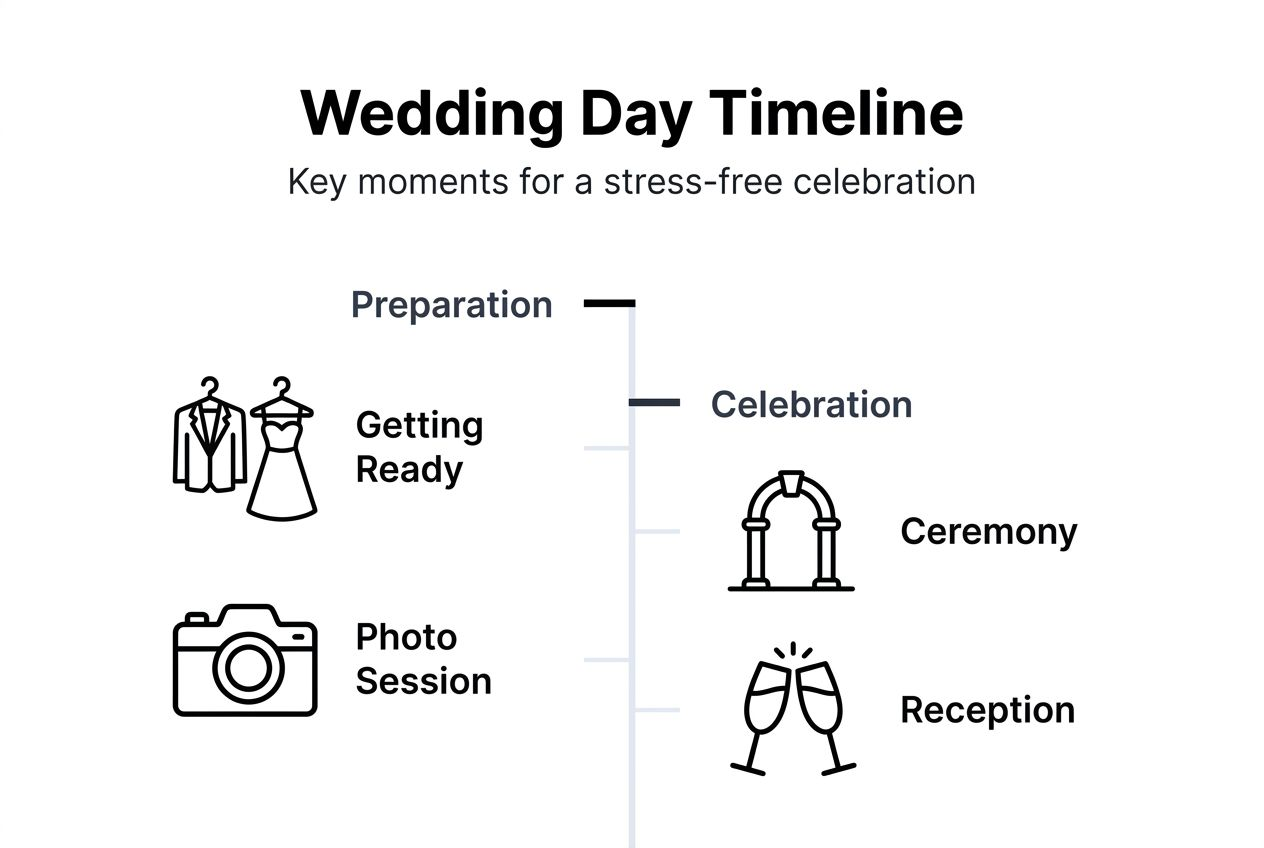
Here’s a structured breakdown of typical durations:
| Event | Duration | Notes |
|---|---|---|
| Getting ready | 1.5 to 2 hours | Include hair, makeup, and dressing |
| Pre-ceremony photos | 30 to 45 minutes | Bride, groom, and wedding party separately |
| Ceremony | 20 to 30 minutes | Religious ceremonies may extend to 60 minutes |
| Post-ceremony photos | 45 to 60 minutes | Group shots and couple portraits |
| Reception drinks | 60 to 90 minutes | Guests mingle whilst photos continue |
| Wedding breakfast | 90 to 120 minutes | Includes meal service and speeches |
| Evening reception | 3 to 4 hours | Dancing, cake cutting, and entertainment |
Key timeframe considerations include:
- Morning preparations should start early enough to avoid rushing
- Travel time between venues adds 30 to 60 minutes depending on distance
- Guest transition periods require 15 to 20 minutes for movement
- Evening entertainment typically begins after 7 PM in Yorkshire venues
- Sunset timing varies significantly across seasons, affecting outdoor photography windows
Optimising photography within the wedding timeline
Strategic photography scheduling captures your best moments without disrupting event flow. Yorkshire’s changing daylight conditions make timing particularly important for quality results.
Schedule your main photo sessions immediately after the ceremony when natural light peaks and guests enjoy reception drinks. This golden hour provides optimal conditions for outdoor portraits at Yorkshire venues. However, photo sessions often take longer than couples expect, risking cascading delays throughout your schedule.
Candid photography integrates naturally throughout the day, capturing authentic emotions during preparations, ceremonies, and receptions. Your photographer moves discreetly through events, documenting genuine moments without interrupting the natural flow. Planning full-day coverage ensures no precious memory goes unrecorded.
Yorkshire’s daylight variability affects timing choices significantly. Winter weddings offer limited natural light windows, whilst summer celebrations enjoy extended golden hours. Consider seasonal factors when scheduling outdoor sessions. December weddings might require indoor backup plans, whereas July events can capitalise on long evenings.
Pro Tip: Allocate an extra 15 to 20 minutes beyond your estimated time for group and family photos to prevent delays affecting your reception schedule.
Photography timing essentials:
- Book professional wedding photographers who understand Yorkshire venue lighting conditions
- Schedule couple portraits during the best natural light period at your specific venue
- Plan videography coordination to capture simultaneous angles without interfering with photos
- Communicate specific must-have shots to your photographer before the wedding day
- Review venue restrictions on photography locations and timing with coordinators
Timeline flexibility and contingency planning
Building buffers into your schedule prevents small delays from snowballing into major disruptions. Flexible timelines reduce overall stress whilst enhancing photographic opportunities.
Buffer times of 15 to 30 minutes between major events accommodate unexpected delays like traffic, wardrobe adjustments, or guest arrivals. These cushions allow your photographer to adapt to changing light conditions and capture spontaneous moments without rushing. Rigid adherence to minute-by-minute schedules often proves harmful, creating tension when inevitable adjustments occur.
Flexibility benefits extend beyond stress reduction. Photographers gain freedom to pursue candid opportunities as they unfold naturally. Guests feel more relaxed without constant clock-watching. Vendors appreciate breathing room for setup adjustments.
“The best wedding timelines balance structure with adaptability. Couples who embrace flexibility enjoy smoother days and better photos because they’re present in each moment rather than anxiously checking their watches.”
Pro Tip: Share your flexible timing expectations with all vendors during final coordination meetings to ensure everyone understands adjustments may occur naturally throughout the day.
Flexibility strategies include:
- Identify which events can shift by 15 to 20 minutes without major consequences
- Communicate backup plans for weather-dependent outdoor activities
- Designate a trusted friend or coordinator to manage timing adjustments
- Build larger buffers around photography sessions than other activities
- Maintain realistic expectations about what’s achievable within your daylight window
Common misconceptions in wedding day timeline planning
Several persistent myths lead couples to create unrealistic schedules that increase stress and compromise results. Understanding truth behind these misconceptions helps you plan more effectively.
Myth one suggests timelines must be strictly followed with no deviation. Reality shows flexibility accommodates unforeseen delays and enhances both photographic opportunities and guest comfort. Rigid schedules create anxiety when small adjustments become necessary.
Myth two claims photo sessions take less time than they actually do. Truth reveals underestimating photo session durations causes 45-minute average delays that cascade through your schedule. Group photos alone often require 45 to 60 minutes with proper organisation.
Myth three assumes vendors automatically coordinate timing amongst themselves. Reality demands you confirm schedules at least 1 week before your wedding day. Caterers, musicians, photographers, and venue staff all need explicit timing confirmation to prevent conflicts.
Debunking these misconceptions:
- Replace rigid schedules with structured flexibility that allows 15 to 30 minute adjustments
- Add realistic time blocks for photography, especially group and family shots requiring coordination
- Take responsibility for vendor coordination through clear communication and written timelines
- Understand Yorkshire venues may have specific timing constraints requiring advance planning
- Recognise that quality photography cannot be rushed without compromising results
Vendor coordination and timeline integration
Seamless vendor integration prevents timing conflicts that disrupt your wedding flow. Effective coordination ensures every service aligns with your overall schedule.
Confirm final timing with all vendors at least 1 week before your wedding day. This confirmation window allows adjustments before it’s too late to make changes. Share your complete timeline document with every vendor, highlighting their specific responsibilities and coordination points with other services.
Photography and videography teams need arrival times that allow equipment setup before key events begin. Caterers require specific windows for meal service that don’t overlap with planned photo sessions. Musicians and DJs need setup periods that won’t interfere with ceremony preparations or early reception activities.
Steps to incorporate vendor schedules effectively:
- Create a master timeline document listing all vendors and their service windows
- Schedule a coordination call or meeting 10 to 14 days before your wedding
- Identify potential timing conflicts where services might overlap problematically
- Adjust your schedule to accommodate vendor setup and breakdown requirements
- Designate a day-of coordinator or trusted person to manage vendor timing questions
- Provide vendor contact information to each service provider for direct coordination
- Confirm venue access times match vendor arrival needs for smooth setup
Poor vendor coordination creates cascading problems. Late caterer arrival delays dinner service, pushing speeches into planned dancing time. Photography setup conflicts with ceremony rehearsals. Sound system testing interrupts guest reception drinks. These preventable issues stem from inadequate communication and timeline integration.
Practical application: crafting a realistic wedding timeline
Real-world examples demonstrate how balanced timelines improve outcomes. This Yorkshire case study shows practical benefits of flexible planning with strong vendor coordination.
A couple married at a Yorkshire estate in autumn 2025 built buffer times between all major events. Their photographer arrived during morning preparations, capturing candid getting-ready moments without rushing. Post-ceremony photos utilised the optimal light window whilst guests enjoyed reception drinks for 90 minutes instead of the typical 60.
This balanced approach yielded 25% more candid photos than traditional rigid schedules. The couple felt relaxed throughout the day because buffers absorbed small delays. Vendors praised clear communication and realistic timing that allowed quality service delivery.
| Traditional rigid timeline | Flexible modern timeline |
|---|---|
| Minute-by-minute scheduling | 15 to 30 minute buffer periods |
| Stress from delays | Accommodation of natural flow |
| Rushed photography sessions | Adequate time for quality shots |
| Vendor timing conflicts | Coordinated service delivery |
| Fewer candid opportunities | 25% more spontaneous captures |
Key lessons for Yorkshire couples:
- Start timeline planning 3 to 4 months before your wedding date
- Consider seasonal daylight variations when scheduling outdoor photography
- Involve your photographer early to align timing with optimal light conditions
- Build larger buffers around activities involving multiple people or groups
- Review your venue’s specific timing requirements and restrictions early
Pro Tip: Schedule a dedicated planning session with your photographer 6 to 8 weeks before your wedding to create a tailored timeline that maximises both event flow and photo opportunities based on your specific venue and season.
Conclusion: empowering couples with effective timeline planning
Well-crafted wedding timelines reduce stress whilst improving your overall experience and photographic results. Flexibility and vendor coordination form the foundation of successful scheduling. Professional photography services like Plomien’s capture your carefully planned moments with expertise that transforms good timelines into exceptional memories. Embrace strategic planning to invest in wedding photography that documents your perfectly orchestrated celebration.
Discover Plomien’s expert wedding photography services
Effective timeline planning deserves equally skilled photographic execution. Plomien Wedding Photography specialises in seamless coverage aligned with your wedding schedule, reducing stress whilst capturing comprehensive candid moments throughout your Yorkshire celebration.

Our expertise transforms well-planned timelines into stunning visual stories. We coordinate effortlessly with your vendors, adapt to changing conditions, and document authentic emotions without disrupting your event flow. Yorkshire couples appreciate our understanding of wedding photojournalism that prioritises genuine moments over posed formality.
Pro Tip: Book your initial consultation with Plomien at least 6 months before your wedding date to ensure your timeline and photography coverage align perfectly with your vision and venue conditions.
Experience the difference professional coordination makes. Our candid photography process integrates naturally into your schedule, capturing the joy and emotion that make your day unique. Contact Plomien today to discuss tailored packages matching your timeline needs and create lasting memories of your perfectly planned celebration.
Frequently asked questions about wedding day timeline planning
How early should I start planning my wedding day timeline?
Begin timeline planning 3 to 4 months before your wedding date to allow adequate coordination time with vendors and venues. Early planning provides flexibility to adjust for seasonal daylight variations and venue-specific requirements without last-minute stress.
What is the best way to communicate the timeline to vendors and guests?
Share a detailed written timeline with all vendors at least 1 week before your wedding, including specific arrival times and service windows. For guests, provide ceremony and reception start times on invitations, reserving the detailed schedule for your wedding party and coordinators.
How can I adjust the timeline if unexpected delays occur on the day?
Designate a trusted coordinator or wedding party member to manage adjustments and communicate changes to affected vendors. Built-in buffer times of 15 to 30 minutes between events allow small delays to be absorbed without cascading disruptions to later activities.
Should we include specific photo session times or keep it flexible?
Schedule specific start times for major photo sessions whilst building 15 to 20 minute buffers to accommodate spontaneous candid opportunities. This approach balances structure with flexibility, ensuring you capture planned shots without missing authentic moments.
How much buffer time is ideal between key events?
Allocate 15 to 30 minutes between major events like ceremony to reception or dinner to dancing transitions. Larger buffers of 45 to 60 minutes work well around photography sessions involving multiple people or outdoor locations dependent on weather conditions.
Recommended
- Wedding Day Photo Timeline Guide for Stress-Free Photos – Plomien Wedding Photography
- How to Plan Full Day Wedding Coverage with Confidence – Plomien Wedding Photography
- 7 Essential Best Wedding Photography Practices for Couples – Plomien Wedding Photography
- Wedding Videography Coordination Guide for Seamless Events – Plomien Wedding Photography