TL;DR:
- Artistic wedding imagery emphasizes emotion, natural light, and storytelling over posed shots.
- It creates genuine, heirloom-quality photos by focusing on micro-moments and environmental framing.
- Choosing the right photographer involves reviewing full galleries, ensuring a relaxed timeline, and prioritizing authenticity.
Many couples worry their wedding photos will look like everyone else’s. Stiff smiles, predictable poses, a checklist of shots ticked off without a second thought. The truth is, artistic wedding imagery is something entirely different. It elevates authentic moments into gallery-worthy art, creating heirloom pieces that evoke genuine emotion decades later. This guide walks you through what artistic wedding imagery really means, how it compares to traditional approaches, the techniques that make it work, and how to find the right photographer for your Yorkshire wedding.
Table of Contents
- Defining artistic wedding imagery
- Traditional vs. artistic wedding photography: a clear comparison
- Artistic techniques for capturing authentic moments
- Choosing the right artistic wedding photographer in Yorkshire
- What most guides miss about artistic wedding imagery
- Explore Yorkshire’s finest artistic wedding photography
- Frequently asked questions
Key Takeaways
| Point | Details |
|---|---|
| Emotion over posing | Artistic wedding imagery prioritises authentic feelings and stories rather than stiff, posed shots. |
| Mastery of light and composition | Photographers use natural light and creative framing to elevate photos into meaningful art. |
| Hybrid approaches | Combining digital and film techniques results in organic, timeless images. |
| Portfolio and accreditation matter | Choosing accredited photographers with narrative-rich portfolios ensures consistent, artistic results. |
| Relaxed timelines enable artistry | Allowing time buffers in your wedding schedule gives space for capturing genuine, creative moments. |
Defining artistic wedding imagery
Artistic wedding imagery is not simply a filter applied in editing. It is a deliberate approach to storytelling, one that prioritises emotion, light, and composition over a rigid list of poses. The goal is to create images that feel alive, images that transport you back to a specific moment and feeling, not just a specific location.
At its core, authentic wedding imagery relies on several interconnected techniques. Natural light mastery, refined composition, and film-like post-processing are the foundations, alongside subtle guiding rather than rigid posing. A photographer working in this style reads the room, watches for a glance between partners, a grandmother wiping a tear, a child spinning on the dance floor, and captures it before it disappears.
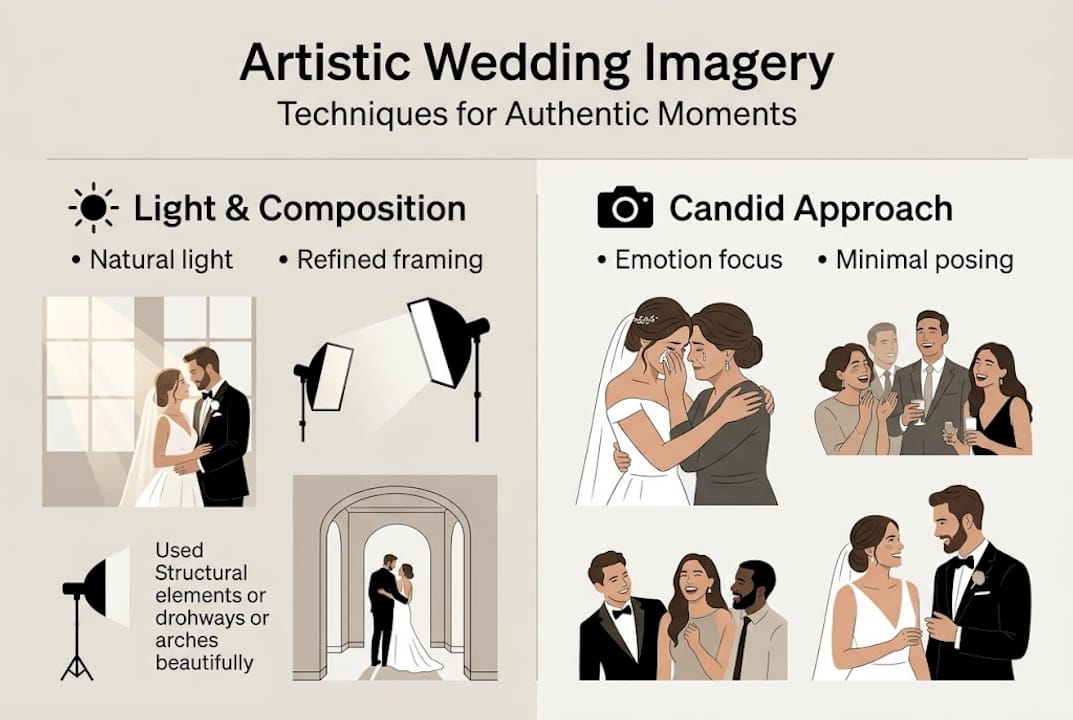
Composition plays a huge role. Techniques like negative space, layering foreground and background elements, and using reflections all contribute to images that feel considered rather than accidental. Post-processing typically leans towards soft, airy tones with film-inspired colour grading, giving images a timeless quality rather than a trend-driven look.
Key characteristics of artistic wedding imagery:
- Mastery of natural light, including golden hour and window light
- Thoughtful composition using negative space and environmental framing
- Subtle direction rather than rigid posing
- Film-inspired colour grading for soft, timeless tones
- Focus on micro-moments and genuine emotional reactions
| Feature | Artistic imagery | Standard photography |
|---|---|---|
| Approach | Storytelling and emotion | Checklist and poses |
| Light use | Natural and deliberate | Flash-dependent |
| Editing style | Film-like, soft tones | Bright, heavily processed |
| Direction | Gentle guiding | Formal posing |
| End result | Heirloom-quality art | Record of events |
Pro Tip: When reviewing a photographer’s portfolio, look for images where subjects appear unaware of the camera. That sense of genuine unawareness is the hallmark of true artistic skill.
Traditional vs. artistic wedding photography: a clear comparison
Understanding the difference between traditional and artistic wedding photography helps you make a genuinely informed choice, rather than simply going with whoever is available on your date.
Traditional wedding photography is built around a structured list of shots. Family groupings, the first kiss, cutting the cake. These images serve a documentary purpose and there is real value in having them. But they rarely tell the full emotional story of a day. They capture what happened, not how it felt.
Artistic wedding photography sits at the other end of the spectrum. As wedding photography styles have evolved, the contrast has become clearer: traditional approaches are posed and checklist-driven, while artistic styles are narrative and light-focused. Documentary photography captures pure candid moments, while fine art photography curates emotion with intention. Many photographers now recommend hybrid approaches, blending digital volume with the restrained artistry of analogue film for a more organic result.
Consider the lasting impact of wedding photography when making your choice. Images that feel emotionally true will matter far more in ten years than technically perfect but lifeless portraits.
How the two approaches differ in practice:
- Traditional photographers direct every shot; artistic photographers observe and respond.
- Traditional editing is often bright and heavily retouched; artistic editing favours natural skin tones and soft contrast.
- Traditional timelines are rigid; artistic sessions benefit from breathing room and flexibility.
- Traditional portfolios show consistency of format; artistic portfolios show consistency of feeling.
For couples who want unobtrusive photography for genuine moments, the artistic approach is almost always the better fit. It requires trust in your photographer, but the results speak for themselves.
Artistic techniques for capturing authentic moments
Knowing what artistic wedding imagery looks like is one thing. Understanding how it is actually achieved helps you prepare for your day and get the most from your photographer.
One of the most important insights from experienced photographers is this: limit formal posing to 15 to 20 minutes, focus on micro-moments and reactions, use the environment creatively, and consider hybrid digital-film approaches for a more organic quality. This is not about being lazy with direction. It is about knowing when to step back.
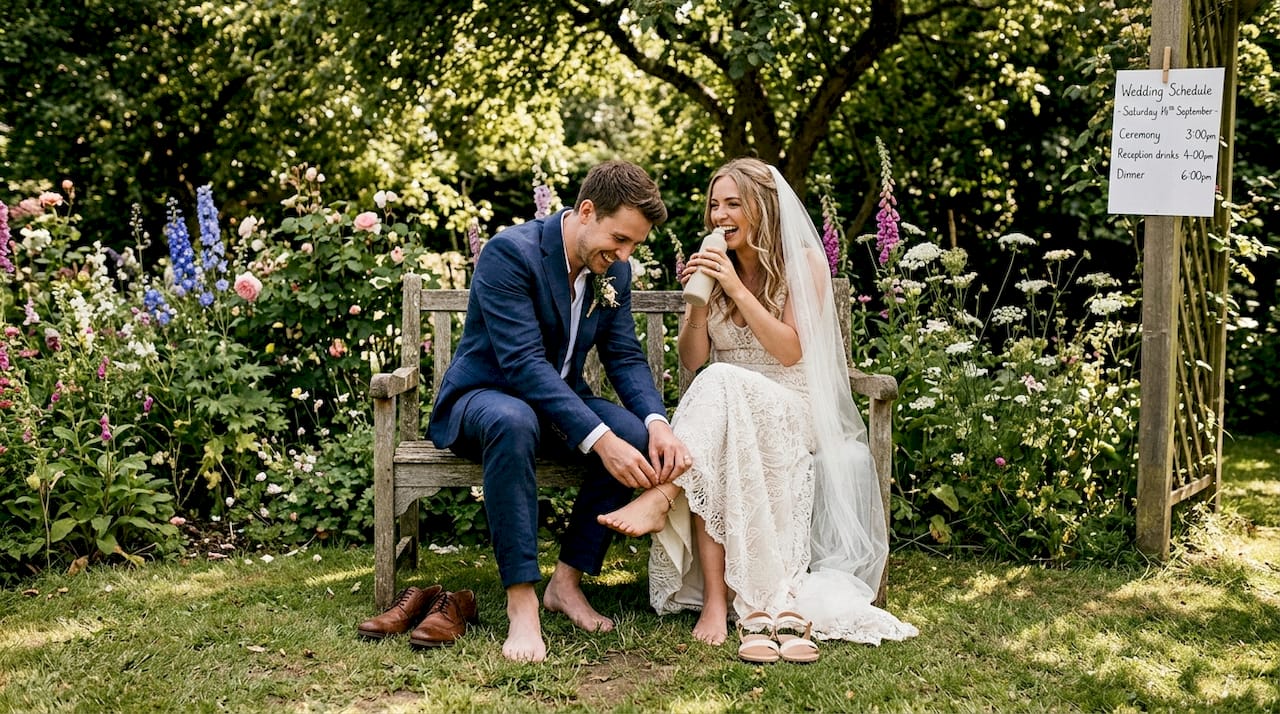
Micro-moments are the secret weapon of artistic wedding photography. The way a partner squeezes your hand during the ceremony. The laugh that escapes before you even reach the altar. These are the images you will return to again and again, because they are real.
Practical techniques used by artistic wedding photographers:
- Positioning couples near windows or in open shade to use soft, directional natural light
- Using architecture, foliage, and reflections for creative environmental framing
- Encouraging movement and interaction rather than static poses
- Shooting from unexpected angles to add visual interest
- Blending digital capture with film for warmth and grain
For natural photos capturing real moments, the preparation you do before the day matters enormously. Sharing your personality, your quirks, and the small details that matter to you gives your photographer the context they need to find those moments.
“The best wedding images are not taken, they are noticed. A great photographer is always watching, always ready, always present.”
Pro Tip: Schedule a pre-wedding shoot with your photographer. It builds comfort in front of the camera and gives them insight into how you naturally interact as a couple, which directly improves the quality of your wedding day images.
If you want to understand more about how the candid wedding photography process works from start to finish, it is worth exploring before your big day. And for couples who want to push boundaries, creative wedding photo ideas can spark inspiration for unique, personal imagery.
Choosing the right artistic wedding photographer in Yorkshire
Yorkshire offers extraordinary backdrops for wedding photography, from the dramatic moorlands of the Dales to the grandeur of venues like Bowcliffe Hall and Hawkstone Hall. But the landscape only matters if your photographer knows how to use it.
When choosing a photographer, success hinges on relaxed timelines with a 20% buffer, prioritising emotion over aesthetics, and photographers with accreditations such as BIPP that ensure consistent, award-worthy results. Accreditations signal a commitment to professional standards and ongoing development.
What to look for when reviewing portfolios and credentials:
- A consistent emotional thread across different weddings and venues
- Evidence of creative light use in varied conditions (overcast, golden hour, indoors)
- Authentic expressions rather than forced smiles
- Experience with Yorkshire venues and their specific lighting challenges
- Testimonials that mention feeling relaxed and natural on the day
| Consideration | What to look for | Red flag |
|---|---|---|
| Portfolio | Consistent emotion and light | Every image looks identical |
| Accreditation | BIPP or equivalent | No professional memberships |
| Timeline approach | Flexible, buffer-friendly | Rigid shot-by-shot schedule |
| Communication | Listens and asks questions | One-size-fits-all approach |
Planning your wedding timeline with your photographer is one of the most valuable conversations you can have. A well-structured wedding day photo timeline creates the breathing room that artistic imagery needs to flourish. When you review Yorkshire wedding portfolios, look beyond technical quality and ask yourself: do these images make me feel something?
Pro Tip: Ask potential photographers to show you a full wedding gallery, not just their highlight portfolio. A full gallery reveals consistency, how they handle difficult light, quiet moments, and the less glamorous parts of the day.
What most guides miss about artistic wedding imagery
Most articles about artistic wedding photography focus on gear, editing styles, and trending aesthetics. But here is the honest truth: none of that matters as much as emotional honesty and a relaxed schedule.
We have seen couples spend months agonising over editing styles and venue aesthetics, only to rush through their entire portrait session because the timeline was too tight. The result? Technically beautiful images that feel hollow. The secret ingredient is time. Unhurried, pressure-free time where genuine moments can actually happen.
Artistic imagery creates heirloom pieces that evoke emotions for decades, outperforming standard documentation in longevity and meaning. But that only happens when the conditions are right. A relaxed couple, a photographer they trust, and a schedule that allows for stillness.
Trends in editing come and go. What endures is the look on your partner’s face when they see you for the first time. No filter creates that. Only presence does. Understanding best photography practices means recognising that artistry is as much about planning and trust as it is about technical skill.
Explore Yorkshire’s finest artistic wedding photography
If this guide has helped you see your wedding photography differently, the next step is finding a photographer who shares your vision for authentic, emotionally resonant imagery.

At Plomien Wedding Photography, we specialise in capturing the real moments that make your day uniquely yours, across Yorkshire and beyond. Whether you are just beginning your search or ready to commit, our candid wedding photography guide offers a clear picture of how we work. Explore why couples consider photography a lasting investment in their story, and browse our wedding photography portfolio to see authentic Yorkshire love stories told through genuine artistry.
Frequently asked questions
How does artistic wedding imagery differ from traditional photography?
Artistic wedding imagery uses creative light, thoughtful composition, and emotional storytelling to capture genuine moments, while traditional photography tends to rely on posed, checklist-driven shots with less focus on narrative.
What techniques make wedding imagery artistic and authentic?
Natural light mastery, refined composition, and film-like post-processing are central, alongside limited formal posing, creative environmental framing, and a focus on micro-moments that reveal genuine emotion.
How do I choose an artistic wedding photographer in Yorkshire?
Seek photographers with accreditations such as BIPP, review full wedding galleries for emotional consistency, and ensure your schedule includes a 20% timeline buffer to allow organic, unhurried moments to unfold.
Why is a relaxed timeline important for artistic wedding photos?
A 20% buffer in your timeline gives your photographer the space to notice and capture emotional moments naturally, rather than rushing between staged shots that feel stiff and pressured.