Planning your wedding photography can feel overwhelming, especially when you realise just how many once-in-a-lifetime moments unfold in a single day. From the quiet excitement of getting ready to the last dance of the evening, every detail deserves to be cherished. Couples who leave photography planning to chance often find themselves looking back with regret, wishing they had captured that tender glance or spontaneous laugh. This guide walks you through every step, from defining your vision to coordinating logistics, so you can feel confident that nothing important slips through the net on your big day.
Table of Contents
- Understanding your photography vision and priorities
- Building your ideal wedding photography timeline
- Creating and sharing your essential shot list
- Coordinating logistics and preparing the venue
- Why most couples underestimate wedding photography planning
- Capture every moment with Yorkshire photography experts
- Frequently asked questions
Key Takeaways
| Point | Details |
|---|---|
| Clarify your vision | Establish your photography style and must-have shots with your partner at the outset. |
| Map out the day | A timeline aligned with your priorities and venue logistics prevents missed moments. |
| Communicate and share | Provide your photographer with a clear shot list and notify key people to streamline group photos. |
| Plan practicalities | Address logistics, access, and essential helpers early for seamless photography on the big day. |
| Preparation pays off | Thorough advance planning ensures your Yorkshire wedding memories are truly unforgettable. |
Understanding your photography vision and priorities
Before you even think about timelines or shot lists, you need to get clear on what kind of wedding photography genuinely excites you. Spend some time browsing galleries together and notice what makes your heart lift. Do you love clean, classic portraits? Are you drawn to documentary-style images that feel like stolen moments? Or perhaps artistic, light-filled compositions speak to you most?
Once you have a shared sense of style, write it down. This becomes the creative brief you share with your photographer, and it shapes every decision that follows. Being specific here is genuinely valuable. Saying “we love candid, emotional moments” is far more useful than saying “we want nice photos.”
Next, identify your must-have shots. These are the images you would be heartbroken to miss. The wedding photo must-haves that couples most commonly prioritise include:
- Detail shots: dress hanging, rings on a surface, invitations, bouquet
- Preparation moments: getting ready with family or friends, first reactions
- Ceremony highlights: the walk down the aisle, vows, the first kiss
- Group combinations: immediate family, wedding party, close friends
- Couple portraits: relaxed, intimate time just for the two of you
- Reception candids: laughter, dancing, genuine emotion throughout the evening
- Confetti moments: use biodegradable confetti in generous handfuls for the best effect
These shot list essentials cover the core categories every couple should consider: details, prep, ceremony, groups, couples, reception candids, and confetti.
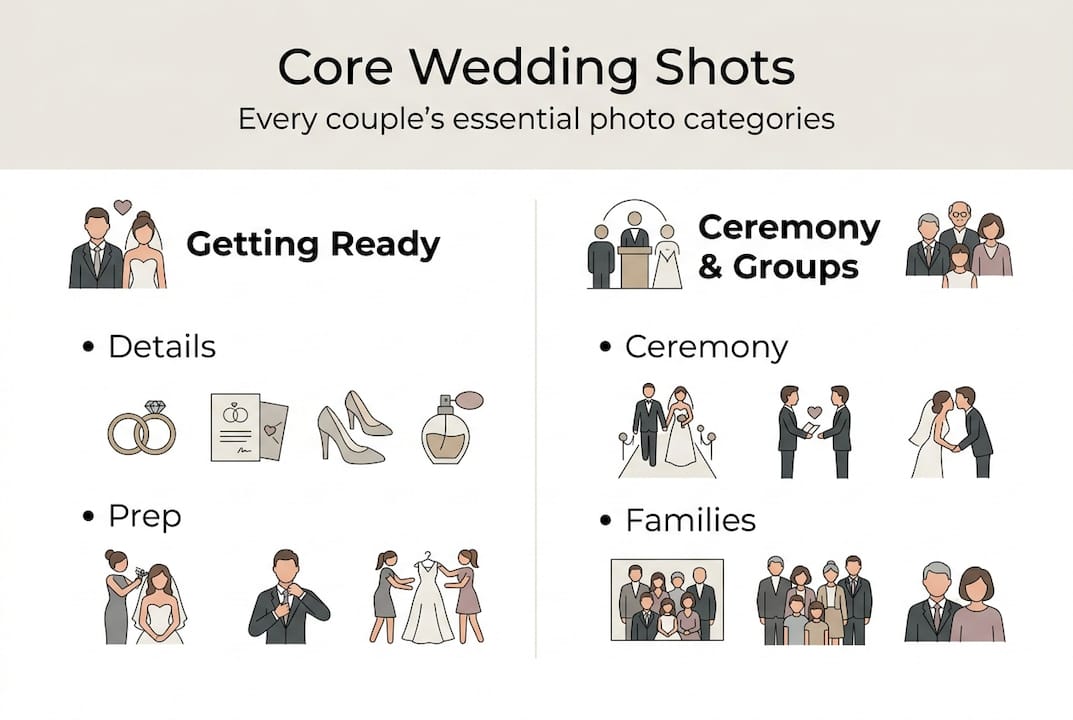
Decide which group combinations matter most to you. Large group shots take time, so be selective. Think about grandparents, siblings, close friends, and anyone whose presence in a photo will mean the world to you in twenty years.
Pro Tip: Share your vision board or Pinterest board with your photographer before your first meeting. It saves time and immediately aligns expectations, making the whole planning process feel far more collaborative and enjoyable.
Finally, talk openly with your photographer about what you expect. A good photographer will ask questions, offer suggestions, and help you refine your priorities. This dialogue is where great wedding photography truly begins.
Building your ideal wedding photography timeline
With your photography priorities decided, it is time to turn them into a working plan. A clear timeline is the single most effective tool for ensuring your day flows beautifully and your photographer captures everything you care about.
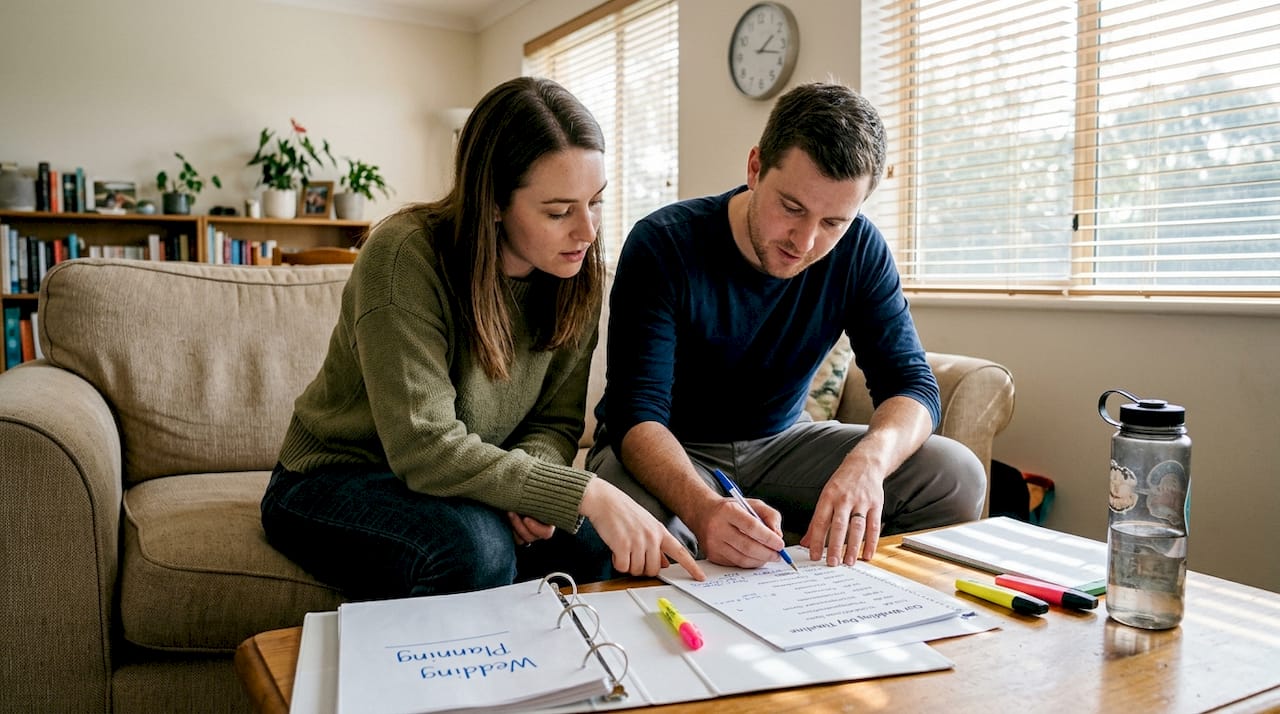
Start by mapping out the key phases of your day. Most weddings follow a similar structure, and understanding how long each phase realistically takes helps you avoid the rushed, stressful feeling that so many couples describe after the fact. Our wedding day photo timeline guide offers detailed advice tailored specifically for Yorkshire weddings.
Here is a sample photography timeline to help you visualise the flow:
| Time | Photography phase | Suggested duration |
|---|---|---|
| Morning | Preparation and detail shots | 90 minutes |
| Pre-ceremony | Venue details, guest arrivals | 30 minutes |
| Ceremony | Full ceremony coverage | 60 to 90 minutes |
| Post-ceremony | Group shots | 45 minutes |
| Mid-afternoon | Couple portraits | 45 to 60 minutes |
| Evening | Reception, speeches, dancing | 2 to 3 hours |
When building your timeline, follow these steps:
- Start with your ceremony time and work backwards to establish when preparation coverage should begin.
- Add buffer time between each phase. Travel between locations, guests moving around, and small delays are completely normal.
- Protect your couple portrait time. This is often the first slot to get squeezed. Guard it carefully.
- Confirm sunset time for your wedding date. Golden hour light is genuinely magical, and planning a short portrait session around it is always worthwhile.
- Share the timeline with your photographer at least four weeks before the wedding so adjustments can be made together.
Research consistently shows that photography results improve significantly when couples invest time in building a thoughtful, realistic schedule. A rushed timeline is one of the most common reasons couples feel disappointed with their final gallery.
Creating and sharing your essential shot list
Once your timeline is set, you will need to make sure the right photos are literally on the list. A shot list is your written record of every image that matters, and sharing it clearly with your photographer and key helpers is what turns good intentions into beautiful results.
Your shot list should cover these core categories, drawing from shot list essentials that experienced photographers recommend:
- Details: dress, rings, shoes, invitations, flowers, table settings
- Preparation: getting ready, first look reactions, hair and make-up moments
- Ceremony: processional, readings, vows, ring exchange, first kiss, recessional
- Groups: specific family and friend combinations you have agreed in advance
- Couple portraits: relaxed, playful, and intimate images just for the two of you
- Reception candids: speeches, first dance, guests enjoying themselves
Not every image on your wishlist will be equally important. Use this simple comparison to prioritise:
| Category | Must-have | Nice-to-have |
|---|---|---|
| Immediate family groups | Yes | |
| Extended family groups | Yes | |
| Detail shots of dress | Yes | |
| Table centrepiece details | Yes | |
| Couple portraits | Yes | |
| Guest candids | Yes |
Being honest about what is truly essential versus what would simply be a bonus helps your photographer manage time wisely. Following best wedding photography practices means being realistic rather than trying to squeeze in every possible combination.
Pro Tip: Appoint a trusted family member or friend as your “group shot coordinator.” Give them a printed copy of your group list and ask them to gather people efficiently. This one small step can save up to 20 minutes during what is often the most time-pressured part of the day.
Share your shot list with your photographer at least six weeks before the wedding. Also share it with your coordinator or a trusted helper. The candid photography process works best when your photographer feels free to move and respond naturally, rather than constantly chasing people for the next group.
Coordinating logistics and preparing the venue
Good lists and plans need the right logistics to work perfectly on the big day. Even the most beautiful shot list falls apart if the lighting is poor, access is restricted, or guests do not know where to be.
Here are the key logistical steps to work through in the weeks before your wedding:
- Visit the venue with your photographer. Walk the spaces together, identify the best natural light, and note any areas that might be tricky. Many Yorkshire venues have stunning outdoor areas that are worth planning around.
- Confirm access times. Know exactly when your photographer can arrive, when rooms will be ready, and whether there are any restrictions on where photography is permitted.
- Brief your key vendors. Share the photography timeline with your florist, caterer, and coordinator. When everyone is aligned, the day moves smoothly and your photographer can focus on capturing genuine moments.
- Communicate with key guests. Let immediate family know when and where group shots will happen. A quick message in advance saves considerable time and confusion on the day.
- Prepare your confetti. If you want a confetti moment, use biodegradable options and prepare generous handfuls. Thin sprinkles rarely photograph well. Check with your venue first, as some have restrictions.
“The couples who have the most relaxed, joyful wedding days are almost always the ones who have shared their plans clearly with everyone involved. When your photographer, coordinator, and family are all working from the same page, the magic really does happen naturally.”
For full-day wedding coverage to flow without interruption, logistics matter just as much as creativity. Think of preparation as the invisible framework that lets genuine emotion take centre stage. Thoughtful photography logistics management genuinely reduces delays and keeps the day feeling relaxed.
Why most couples underestimate wedding photography planning
Here is something we have observed time and again: couples who invest deeply in their flowers, venue, and catering sometimes treat photography planning as an afterthought. They assume a talented photographer will simply handle everything. And while a great photographer absolutely will do their best, no professional can manufacture time that was never built into the schedule.
The emotional weight of missed photos is almost always greater than couples anticipate. You might not feel the absence of a particular image on the day itself, but looking back through your gallery months later, the gaps become painfully clear. The impact of a well-built timeline on your final gallery is profound and genuinely underestimated.
Thorough planning does not constrain your day. It actually creates the freedom for authentic, spontaneous moments to be captured beautifully. When the structure is solid, everything else flows.
Capture every moment with Yorkshire photography experts
You have put so much love into planning your wedding. The last thing you want is to look back and wish you had captured more of it.

At Plomien Wedding Photography, we work closely with Yorkshire couples to make sure every precious moment is beautifully preserved. We offer tailored photo and video packages designed to suit your unique day, with personalised guidance from the very first conversation. We understand why investing in wedding photography matters so deeply, and we bring genuine passion to every wedding we cover. From the quiet morning preparations to the last dance of the evening, we are with you every step of the way. Explore our essential wedding photos guide and get in touch to start planning your perfect day together.
Frequently asked questions
What are the most important wedding shots to include?
Focus on the shot list essentials covering details like dress and rings, group shots, couple portraits, ceremony highlights, candids, and confetti moments. These categories form the foundation of a complete and cherished wedding gallery.
How far in advance should I plan my wedding photography?
Start planning 9 to 12 months before your wedding to allow enough time to book your preferred photographer and align on your vision, timeline, and shot list without feeling rushed.
Do I need to provide my photographer with a shot list?
Yes, a clear shot list ensures no essential photo is missed and helps the day run smoothly. Sharing it at least six weeks before the wedding gives your photographer time to plan and ask any questions.
How long should I allow for group photos?
Allow approximately 45 minutes for group shots, depending on the number of combinations. Appointing a helper to gather people in advance makes this segment far quicker and more relaxed.
Can I plan wedding photography without visiting the venue first?
A venue visit with your photographer is strongly recommended, as it helps identify the best light, access points, and beautiful backdrops that you might otherwise miss on the day itself.
Recommended
- Wedding Day Photo Timeline Guide for Stress-Free Photos – Plomien Wedding Photography
- 7 Essential Best Wedding Photography Practices for Couples – Plomien Wedding Photography
- Master the Candid Wedding Photography Process for Stunning Memories – Plomien Wedding Photography
- How to Choose Wedding Photographer for Perfect Memories – Plomien Wedding Photography